In the realm of product photography, creating a visually compelling image goes beyond simply capturing the product in focus; it requires careful consideration of lighting, perspective, and, most importantly, shadow creation. Shadows are an essential component in establishing depth, realism, and context within a photograph. They subtly guide the viewer’s eye, highlight the texture and form of the product, and evoke a sense of tangible presence that flat images cannot achieve. For eCommerce brands, the quality of shadow creation can influence the perception of a product, impacting both engagement and conversion rates. Professional photo retouching agencies, such as Cutout Partner, specialize in crafting shadows that appear natural, polished, and consistent, helping businesses present products in the most appealing way possible.
Understanding Product Shadows in Photography
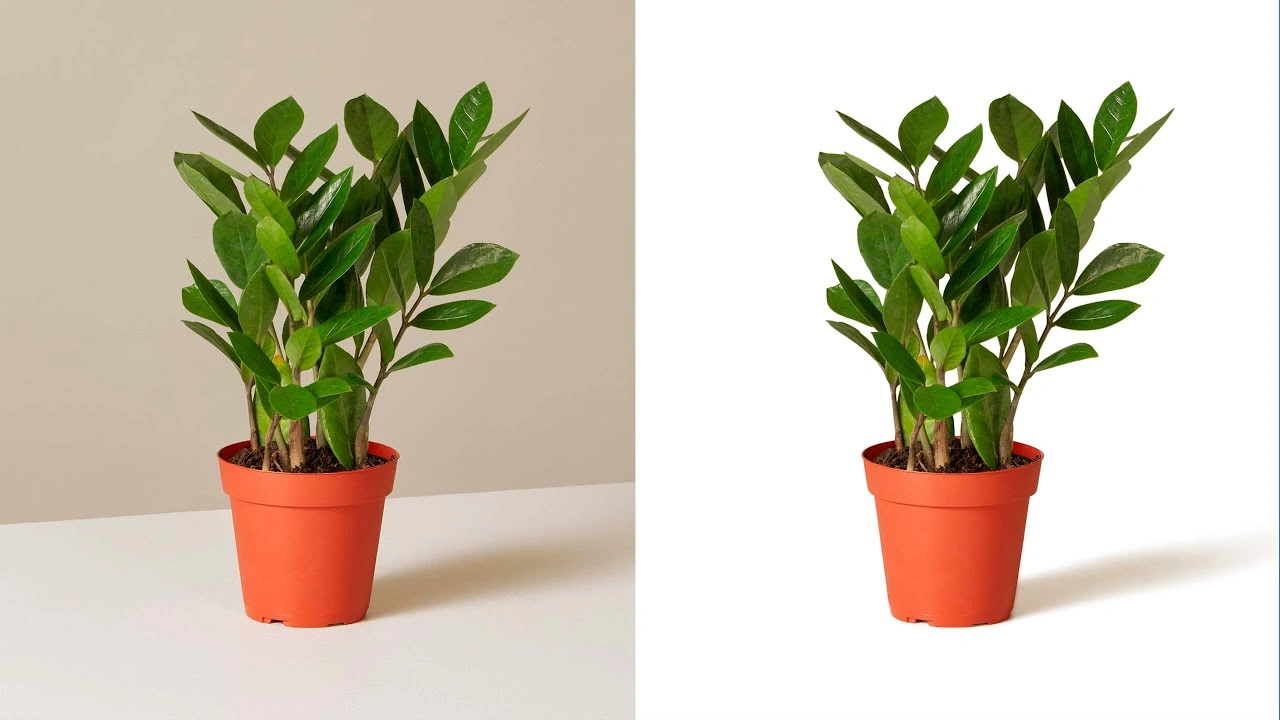
Types of Shadows
Shadows are not uniform; they vary in form, intensity, and purpose. In product photography, understanding different types of shadows is fundamental. The primary categories include cast shadows, which are formed by objects blocking the light and falling on a surface; form shadows, which appear on the object itself and indicate its volume and contours; and reflection shadows, which result from light bouncing off surfaces to create subtle illumination. Each type serves a unique role in enhancing the realism of the product.
Light Sources and Their Impact
The behavior of shadows is intrinsically linked to the light source. Hard light produces defined, sharp-edged shadows, which can be dramatic but sometimes unrealistic if overused. Soft light, often achieved with diffusers or natural light, generates gentle shadows that transition smoothly, creating a more natural and flattering effect. Understanding how to manipulate light direction, intensity, and diffusion is critical for achieving the desired shadow effect that complements the product’s features.
Natural vs. Artificial Lighting
Natural lighting offers a dynamic and soft quality that can enhance shadows organically, yet it is unpredictable and can vary throughout the day. Artificial lighting, including studio strobes and continuous lights, allows for precise control over shadow placement and intensity. By mastering both natural and artificial lighting, photographers can adapt their Photoshop shadow creation techniques to any environment, ensuring consistency across product images.
The Psychology of Shadows
Shadows do more than depict form; they influence perception. Properly executed shadows can evoke depth, stability, and authenticity, making the product appear tangible and trustworthy. Conversely, poorly rendered shadows can make a product seem flat, artificial, or unprofessional, which may deter potential buyers. Understanding the psychological impact of shadows enables photographers and retouchers to create images that resonate positively with viewers.
Techniques for Creating Realistic Shadows
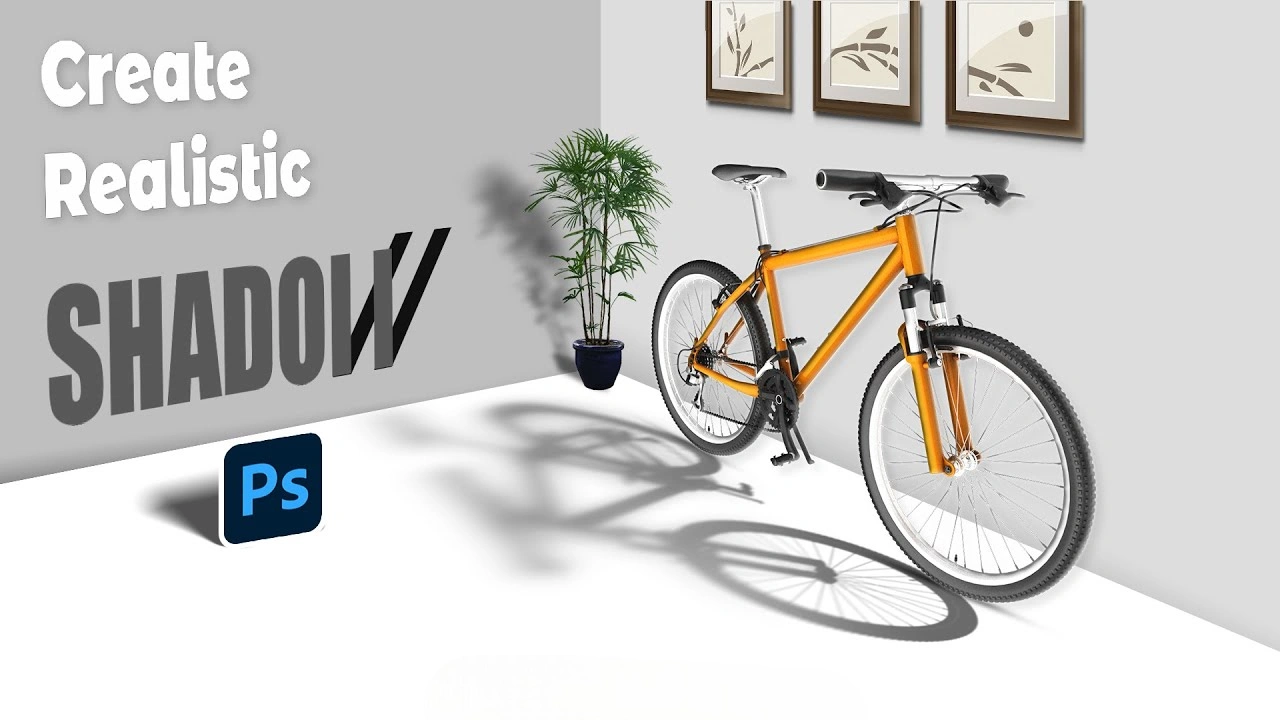
Soft Shadows
Soft shadows are essential for most eCommerce product images, as they replicate natural light diffusion and prevent harsh contrasts. Achieving soft shadows involves diffusing the light source with umbrellas, softboxes, or translucent materials, and strategically positioning reflectors to balance light and shadow. Soft shadows enhance the contours of a product while maintaining a polished, professional look.
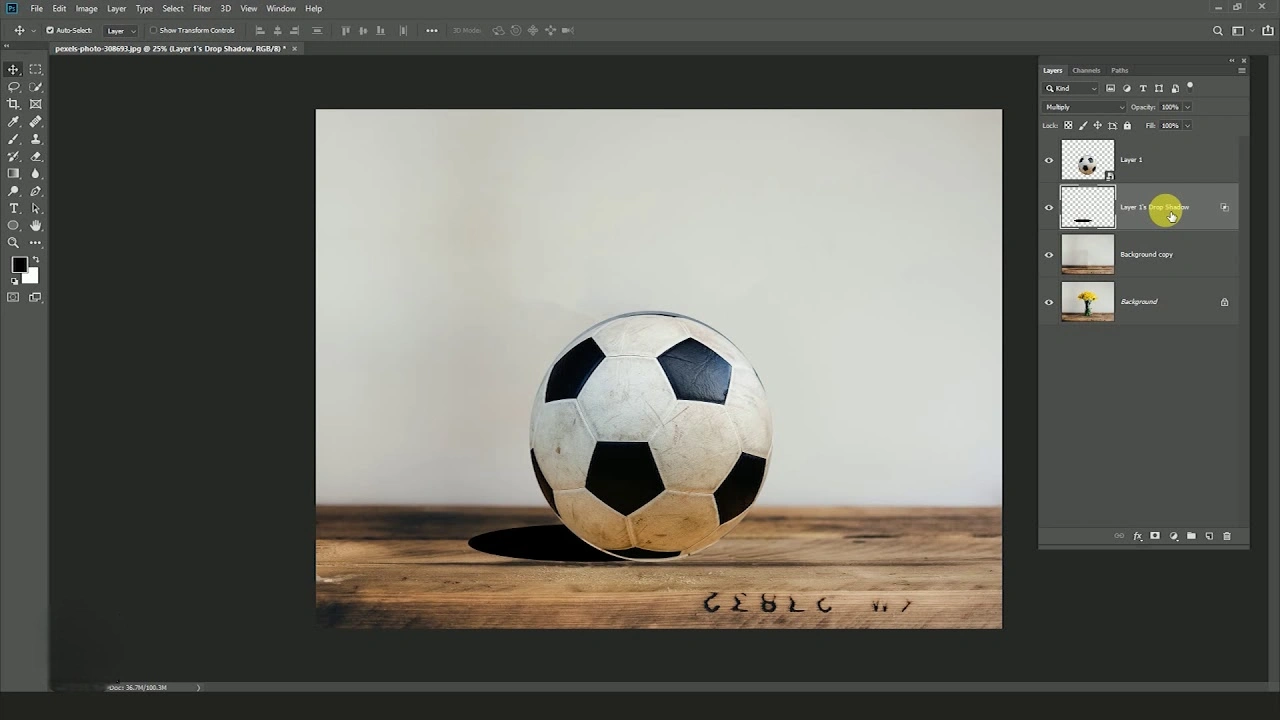
Drop Shadows
Drop shadows are commonly used to separate the product from the background, adding depth and visual interest. While simple in concept, creating realistic drop shadows requires careful attention to direction, opacity, and feathering. Tools like Adobe Photoshop allow for precise adjustment, ensuring the shadow complements the product without appearing artificial or distracting.
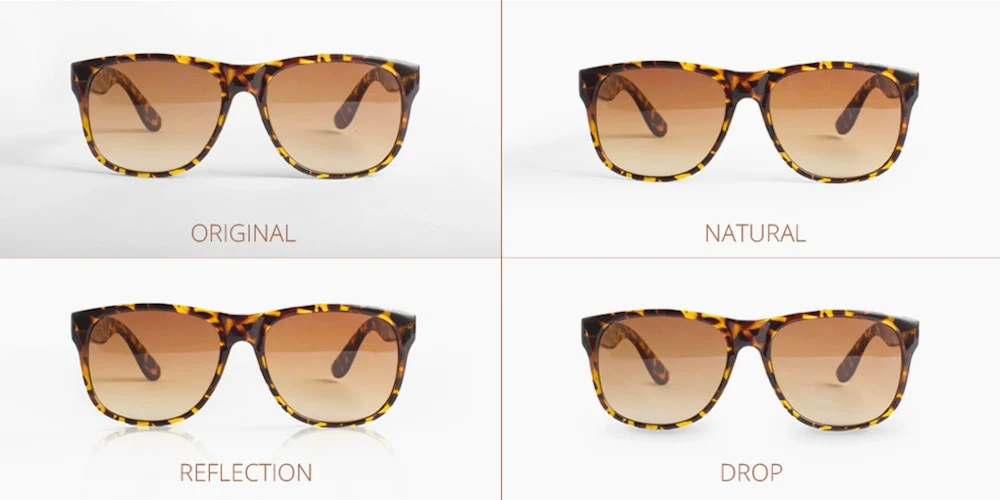
Reflection Shadows
Reflection shadows mimic the subtle mirroring effect that occurs when a product is placed on a reflective surface, such as glass or polished wood. These shadows add sophistication and elegance to product images, often used in luxury product photography. Balancing the intensity and blur of reflection shadows is key to achieving a natural, appealing effect.
Using Photoshop and Other Tools
Professional retouching tools like Photoshop, Lightroom, and specialized plugins provide extensive control over shadow creation. Techniques such as layer masking, gradient application, and blending modes allow for precise shadow manipulation. Cutout Partner leverages these tools to enhance product images meticulously, ensuring every shadow aligns perfectly with the light source, perspective, and brand aesthetic.
Blending Techniques
Blending is critical for seamless shadow integration. By adjusting opacity, feathering edges, and using gradient masks, retouchers can create shadows that appear naturally embedded in the environment. Blending ensures shadows do not distract from the product but instead reinforce its dimensionality and presence within the frame.
Cutout Partner’s Expertise in Shadow Creation
Cutout Partner stands out as a premium photo retouching agency specializing in creating ultra-realistic shadows for product photography. Their team of skilled retouchers combines technical proficiency with an artistic eye to enhance the visual appeal of every product image. By analyzing light sources, angles, and textures, Cutout Partner crafts shadows that not only mimic reality but also elevate the overall composition. Clients trust the agency for its consistent quality, quick turnaround times, and ability to adapt shadow techniques to diverse product categories, from fashion and electronics to luxury goods. Examples of their work showcase perfectly balanced shadows that enhance depth, clarity, and engagement, making products appear tangible and desirable to potential buyers.
Step-by-Step Shadow Creation Workflow
Pre-Production: Planning and Lighting Setup
Effective shadow creation begins before the shutter clicks. Photographers must plan lighting angles, select appropriate backgrounds, and anticipate shadow direction based on the product’s shape and intended use. Consistent lighting ensures uniform shadows across multiple product shots, crucial for eCommerce catalogues and marketing materials.
Capturing the Product
While shooting, attention to detail is paramount. Positioning the product relative to the light source determines shadow length and intensity. Photographers should experiment with different angles and light modifiers to achieve shadows that highlight the product’s features naturally. Shooting in RAW format allows for maximum flexibility during post-processing.
Post-Production: Refining Shadows
In post-production, retouchers enhance shadows to achieve ultra-realistic results. This involves creating separate shadow layers, adjusting opacity, applying Gaussian blur for softening, and ensuring shadows follow the product’s contours accurately. Cutout Partner employs advanced techniques to blend shadows seamlessly, remove inconsistencies, and maintain color fidelity.
Final Review and Optimization
The final step includes reviewing the image for consistency, realism, and alignment with brand guidelines. Shadows must appear cohesive across product ranges, maintaining visual uniformity. Images are then optimized for web use, ensuring fast loading times without sacrificing shadow quality or overall image clarity.
Common Mistakes and How to Avoid Them
Overdoing Shadows
Excessively dark or sharp shadows can overpower the product and create an unnatural appearance. Retouchers must maintain balance, ensuring shadows complement rather than dominate the image.
Mismatched Light Direction
Shadows must align with the light source; inconsistencies can break realism. Careful observation and meticulous adjustment in post-production prevent this common error.
Unrealistic Opacity
Shadows that are too opaque or too faint disrupt the visual harmony. Achieving the right transparency ensures shadows feel authentic and support the product’s three-dimensionality.
Ignoring Background Context
Shadows interact with the surface they fall upon. Neglecting background textures or colors can result in shadows that look misplaced or artificial. Retouchers should integrate shadows seamlessly with their environment.
Advanced Shadow Techniques
3D Shadows
3D shadow creation involves simulating depth and spatial relationships using advanced software or rendering techniques. These shadows respond dynamically to the product’s form, enhancing realism in high-end product photography.
Dynamic Shadows
Dynamic shadows adjust according to simulated light movement, creating a lifelike sense of interaction between light and object. This technique is particularly useful in lifestyle or promotional imagery, where realism engages the viewer.
Shadows for Lifestyle Images
In lifestyle photography, products are often integrated into real-world scenarios. Shadow creation must reflect environmental interactions, such as cast shadows on multiple surfaces or soft ambient shading, to preserve authenticity and immersion.
Benefits of Professional Shadow Creation for eCommerce
Professional shadow creation is not merely aesthetic; it has tangible business benefits. High-quality shadows enhance product clarity, making features and dimensions more understandable, which can reduce returns and increase customer satisfaction. Visually appealing images create stronger brand trust, demonstrating professionalism and attention to detail. Additionally, realistic shadows improve engagement, encouraging users to interact with products and boosting conversion rates. By leveraging services from a premium agency like Cutout Partner, eCommerce businesses ensure consistent, polished imagery that elevates the entire shopping experience, setting their brand apart in competitive marketplaces.
Conclusion
Mastering shadow creation in product photography is an essential skill for achieving ultra-realistic, professional images that captivate audiences and drive conversions. Shadows influence perception, depth, and authenticity, making them a critical element in eCommerce visual strategies. By understanding shadow types, light behavior, and advanced techniques, photographers can enhance the visual storytelling of their products. Partnering with expert retouching agencies like Cutout Partner ensures that shadows are crafted with precision, artistic sensibility, and technical excellence, resulting in product images that are not only visually stunning but also commercially effective. Investing in professional shadow creation elevates the overall quality of a brand’s visual content, strengthens customer trust, and ultimately contributes to business success in an increasingly image-driven marketplace.