If you are selling fashion products online, your images are not just visuals—they are your sales team, your storefront, and your customer experience all combined into one.
Your customers cannot touch the fabric, try the fit, or stand in front of a mirror. They are making a buying decision based entirely on what they see on their screen. That means your product photography is doing one critical job: building trust fast enough to convince a stranger to spend money.
At Cutout Partner, a premium photo retouching agency, we work with studio managers, eCommerce business owners, and photographers who face this exact challenge every day. One of the most common questions they ask is whether ghost mannequin photography or flat lay photography performs better.
The simple answer is that both styles can work. The real answer is that performance depends on how your product is presented, how your audience thinks, and how well your images are executed.
Let’s break this down step by step in a clear and practical way so you can make the right decision for your business.
Why This Question Matters More Than Most Brands Realize
Fashion eCommerce is built on perception, but it also has a built-in problem: customers are naturally uncertain.
When someone lands on your product page, they are silently asking themselves several questions at the same time. They are wondering whether the product will fit as expected, whether the quality matches the price, and whether your brand is trustworthy enough to buy from.
Your photography either reduces these doubts or increases them. Conversion does not happen because of design trends—it happens when hesitation disappears.
So when comparing ghost mannequin and flat lay photography, the real question is not about style. The real question is: which one helps your customer feel confident faster?
What Is Ghost Mannequin Photography?
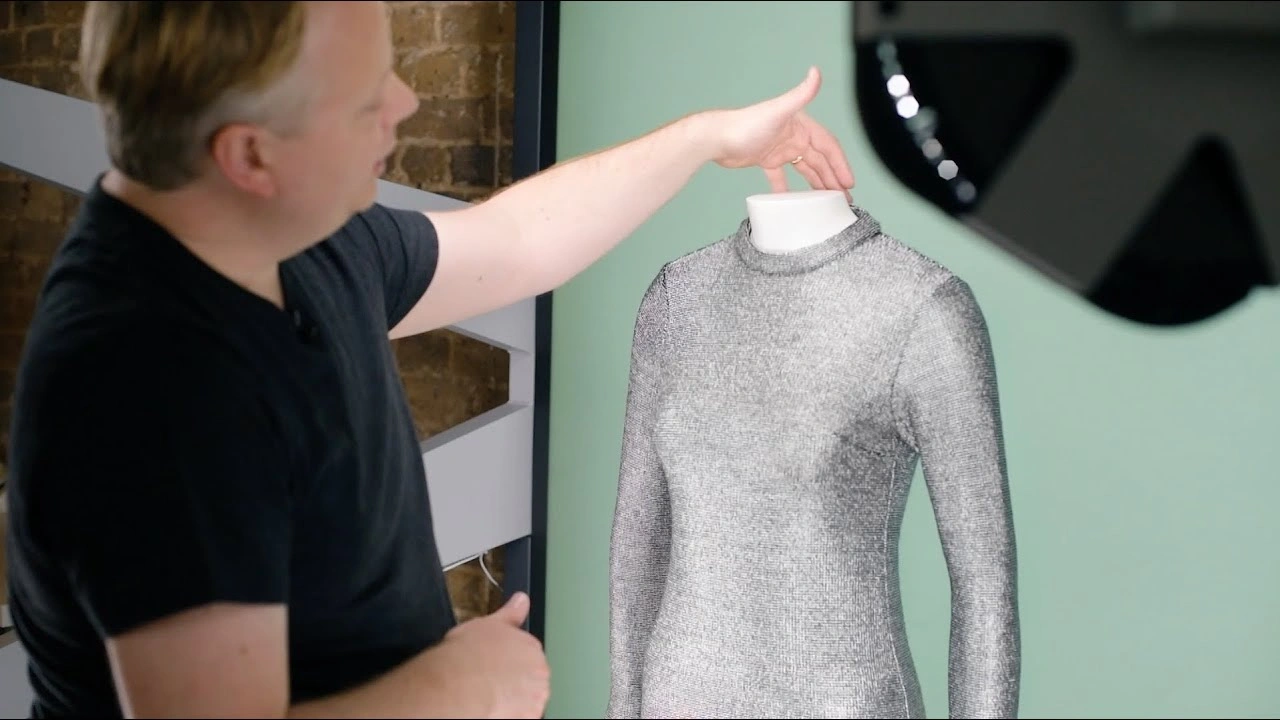
Ghost mannequin photography is a technique that presents clothing in a three-dimensional way without showing a model or mannequin in the final image.
In this process, the garment is first placed on a mannequin so it naturally holds its shape. Multiple photos are taken, including the front view and inner details such as the neckline or collar. During post-production, the mannequin is removed, and the inner parts are carefully blended to create a clean, hollow look.
When done properly, the final image looks structured, balanced, and realistic. It allows the customer to understand how the garment would sit on the body without any distractions.
However, if the editing is poorly done, the result can look unnatural, which can reduce trust instead of building it.
What Is Flat Lay Photography?
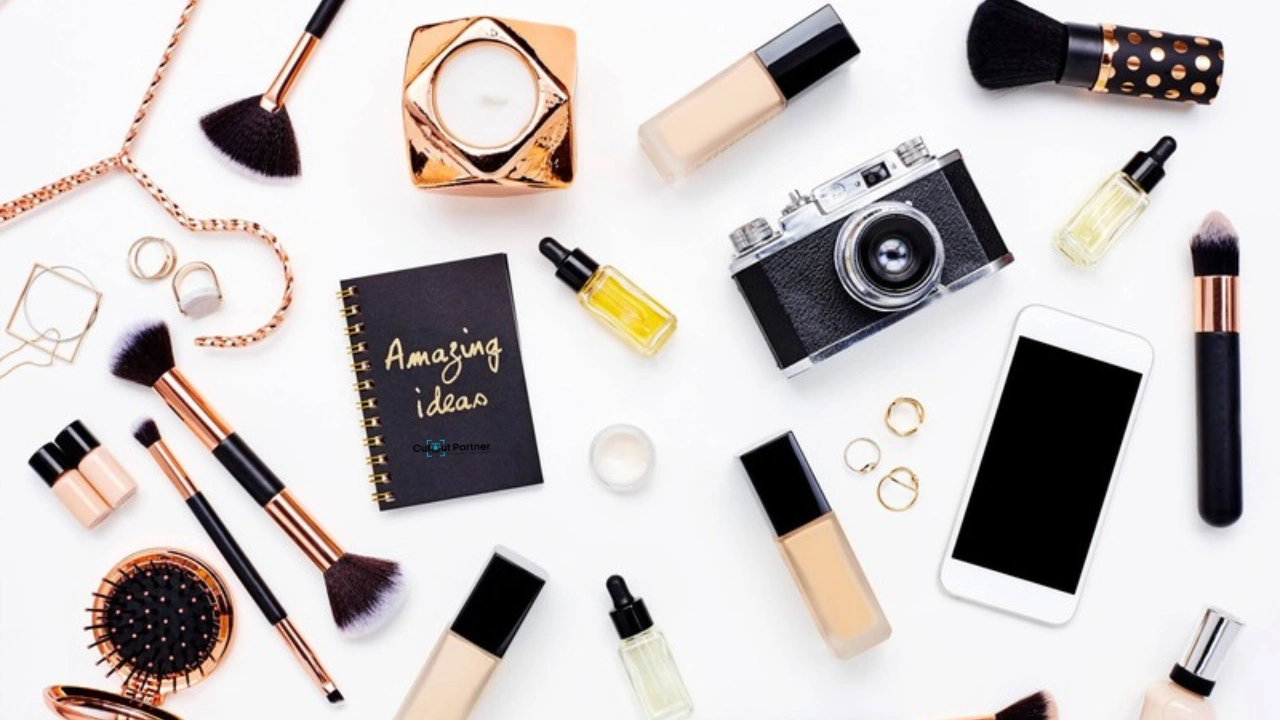
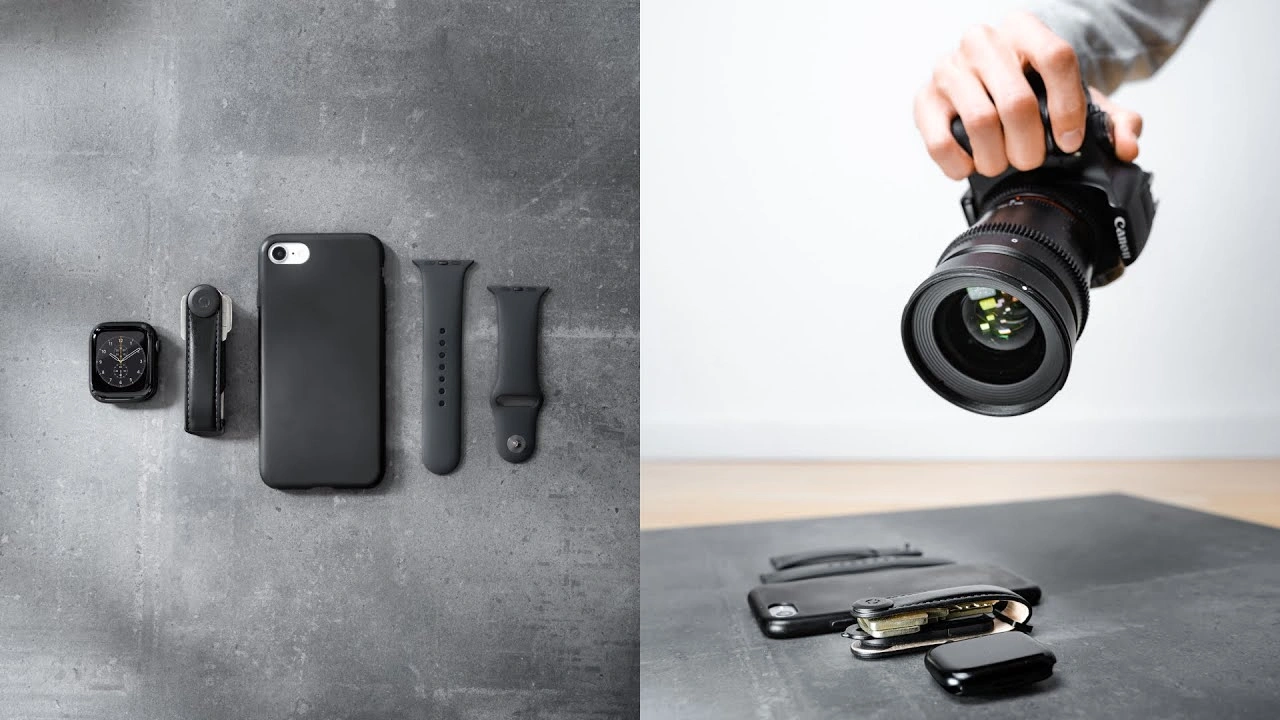
Flat lay photography is a simpler approach where garments are placed on a flat surface and photographed from above.
This style is widely used because it is easy to produce and works well for certain types of products. There are generally two approaches within flat lay photography.
The first is minimal flat lay, which uses a clean white background and focuses purely on the product. The second is styled flat lay, where props, textures, or accessories are added to create a lifestyle feel.
Flat lay is especially common among streetwear brands, casual apparel businesses, and high-volume eCommerce sellers who need fast production.
While it is practical and cost-effective, it presents the product in two dimensions, which affects how customers interpret the item.
The Core Difference: 3D Structure vs 2D Simplicity
The most important difference between these two styles is how they communicate shape.
Ghost mannequin photography shows the actual structure of the garment. It reveals how the shoulders sit, how the sleeves fall, and whether the waist is fitted or loose. This gives customers a more realistic understanding of how the product will look when worn.
Flat lay photography, on the other hand, focuses on the surface. It shows the fabric, color, print, and overall outline, but it does not communicate how the garment interacts with the body.
If your product depends on structure to sell, then showing that structure becomes essential. If your product is simple and does not rely on tailoring, then a flat presentation may be enough.
Understanding Buyer Psychology in Fashion eCommerce
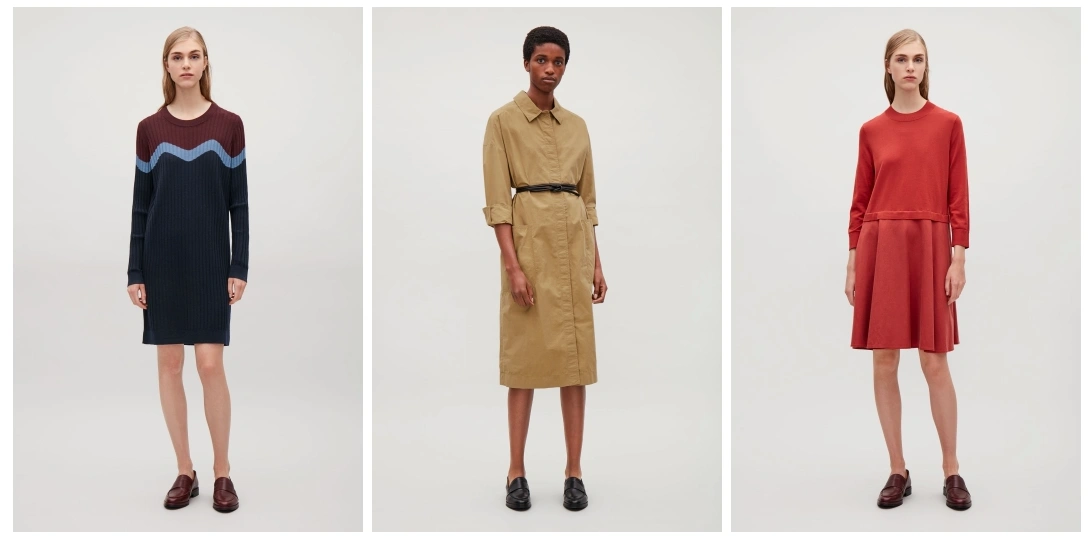
To understand which style converts better, it helps to think from the customer’s perspective rather than the brand’s.
When a buyer looks at a product image, they are not analyzing photography techniques. They are trying to answer three basic questions in their mind.
They want to know whether they can imagine themselves wearing the product, whether it looks high quality, and whether the brand feels trustworthy.
Your photography style directly influences all of these perceptions.
Fit Visualization and Its Impact on Conversion
One of the biggest reasons customers return clothing is because the fit does not match their expectations.
Ghost mannequin photography helps reduce this problem because it shows how the garment is shaped. Customers can understand whether a shirt is slim-fit or relaxed, whether a dress is structured or flowy, and how the proportions look overall.
Flat lay photography does not provide this level of clarity. It leaves more room for interpretation, which increases uncertainty.
When uncertainty increases, hesitation increases. When hesitation increases, conversion decreases.
Perceived Brand Value and Pricing Power
The way you present your product also affects how customers perceive your brand.
Imagine two brands selling similar jackets at similar prices. One brand uses flat lay images, while the other uses clean, structured ghost mannequin visuals. Even if the products are identical, the second brand will often feel more premium.
This perception matters because it allows you to justify higher pricing. Customers are more willing to pay when the product presentation matches the price point.
If your visuals look basic while your pricing is premium, customers may hesitate even if your product quality is high.
Mobile Shopping and Thumbnail Performance
Most online shoppers today browse on mobile devices, where images appear in small sizes.
In this environment, clarity becomes extremely important. Structured ghost mannequin images often stand out more for items like jackets, blazers, and dresses because the shape is immediately visible.
Flat lay images can sometimes look less defined in small thumbnails, especially for structured garments.
This difference can affect click-through rates, which directly impacts your overall sales performance.
Where Ghost Mannequin Photography Works Best
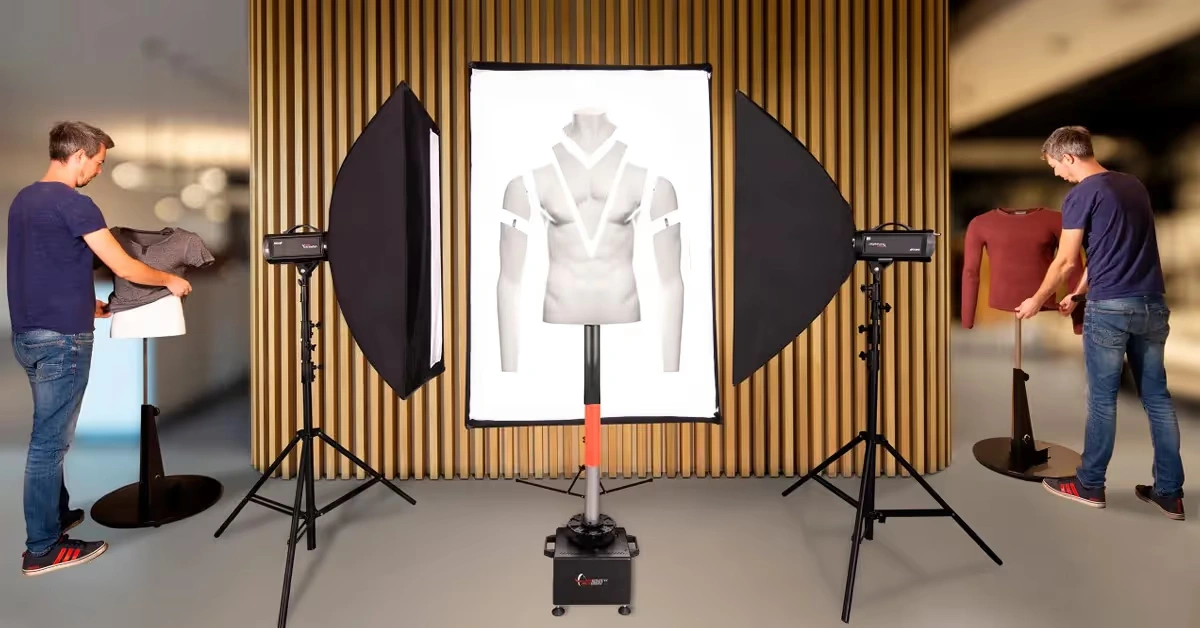
Ghost mannequin photography is especially effective for garments where structure plays a key role in the buying decision.
These include items such as blazers, coats, tailored dresses, button-down shirts, and premium outerwear.
In these cases, the shape of the garment is part of the value. Flattening these items removes an important visual advantage, while ghost mannequin restores that shape and makes it easier for customers to understand the product.
Where Flat Lay Photography Performs Well
Flat lay photography works well for products that do not rely heavily on structure.
These include graphic t-shirts, loungewear, sweatshirts, kids’ clothing, and casual streetwear. In these categories, customers are often more focused on design, color, and overall style rather than fit details.
For these products, flat lay can be both efficient and effective when executed cleanly.
The Role of Price in Photography Decisions
One factor that many businesses overlook is the relationship between price and visual expectation.
Lower-priced items can often perform well with simpler imagery because customer expectations are lower. However, as your price point increases, the need for professional and structured visuals also increases.
A premium product requires a premium presentation. If your images do not match your pricing level, it can create doubt even before the customer reads the product description.
Return Rates and Customer Expectations
Returns are one of the biggest hidden costs in fashion eCommerce. Many returns happen because the product does not look the way the customer expected.
Ghost mannequin photography helps reduce this issue by showing more accurate details such as collar shape, proportions, and garment structure.
Flat lay images leave more room for interpretation, which increases the risk of mismatch between expectation and reality.
Reducing this gap can have a direct impact on profitability.
Execution Quality Matters More Than Style with Clothing Fashion
While choosing the right style is important, execution quality is even more critical.
A poorly edited ghost mannequin image with rough edges or unnatural shadows can damage trust. Similarly, a flat lay image with wrinkles, uneven lighting, or inconsistent alignment can look unprofessional.
This is where professional retouching becomes essential. At Cutout Partner, the focus is not just on editing images but on maintaining consistency across large product catalogs so that every image reflects the same quality standard.
Consistency builds trust, and trust drives conversion.
The Hybrid Strategy: A Smarter Approach
Many successful fashion brands do not rely on a single style. Instead, they combine multiple types of images to answer different customer questions.
They may use ghost mannequin images as the primary visual to show structure, flat lay images as secondary views, close-up shots for fabric details, and lifestyle images for context.
This combination helps reduce doubt from multiple angles, making it easier for customers to make a decision.
How to Choose the Right Approach for Your Clothing Brand
To decide which style works best for your business, consider your product type, your pricing, your audience expectations, and your current performance metrics.
If your garments rely on structure and you are targeting a mid-to-high price range, ghost mannequin is often the better choice. If your products are casual and design-focused, flat lay may be enough.
If you are unsure, testing both approaches and measuring the results is one of the most effective ways to make a decision.
Final Thoughts
The debate between ghost mannequin and flat lay photography is not about which style looks better. It is about which style helps your customer feel confident enough to make a purchase.
Ghost mannequin reduces uncertainty around fit and structure, while flat lay simplifies presentation for more casual products.
If there is one simple rule to remember, it is this: when the shape of the garment is important, show the shape clearly. When the surface design is the main selling point, focus on the surface.
In the end, conversion is driven by clarity, consistency, and trust. Your photography should support all three.
And when execution is handled professionally, your visuals stop being just images—they become a powerful tool for growth.
FAQ On Ghost Mannequin vs Flat Lay Photography
1. What is ghost mannequin photography?
Ghost mannequin photography shows clothing in a 3D, worn look without a visible model, creating a clean and professional appearance.
2. What is flat lay photography?
Flat lay photography displays products arranged on a flat surface, usually shot from above, focusing on styling and visual storytelling.
3. Which photography style converts better for ecommerce?
Ghost mannequin photography often converts better for apparel because it shows fit and structure, helping customers visualize the product.
4. Is flat lay photography good for selling clothes?
Yes, flat lay works well for social media and branding, but may not always show fit clearly, which can impact purchase decisions.
5. Why do fashion brands use ghost mannequin images?
Brands use ghost mannequin images to highlight garment shape, fit, and details while maintaining a clean, distraction-free look.
6. When should I use flat lay photography?
Flat lay is ideal for lifestyle content, marketing campaigns, and showcasing multiple items in a creative and styled way.
7. Which is better for marketplaces like Amazon or Shopify?
Ghost mannequin photography is usually better because marketplaces prioritize clear, product-focused images that show accurate fit.
8. Does ghost mannequin photography increase sales?
Yes, it can improve conversions by giving customers a realistic view of how the clothing fits without needing a model.
9. Can I use both ghost mannequin and flat lay together?
Absolutely. Many brands use ghost mannequin for product pages and flat lay for social media or promotional content.
10. Which option is more cost-effective?
Flat lay is generally cheaper and easier to produce, while ghost mannequin requires more editing but delivers a more professional result.