Cutout Partner is a top-leading photo editing agency known for delivering high-quality visual solutions for eCommerce brands.
eCommerce fashion photography is all about capturing clothing and accessories in a way that looks attractive online and helps increase sales. Since customers cannot physically touch or try products, they rely heavily on images to understand details like fabric, fit, and style.
Studies show that around 90% of buying decisions are influenced by high-quality product photos. In fashion, well-crafted images make products look more appealing, build trust, and encourage customers to take action. Clear, consistent, and professionally presented visuals can significantly improve conversion rates for online stores.
There are no strict rules for achieving the perfect shot. However, with the right techniques, proper lighting, thoughtful composition, and consistent practice, you can create stunning product images that stand out in a competitive market.
In this article, you will learn everything you need to know about eCommerce fashion photography in a simple, practical, and easy-to-follow way, helping you improve your product visuals and enhance your overall online presence.
What is eCommerce Fashion Photography?
eCommerce fashion photography is the process of capturing high-quality images of clothing, accessories, and fashion products for online stores and digital platforms.
It focuses on presenting products in the best possible way so they look attractive, clear, and appealing to customers. These photos help shoppers understand the style, fit, and details of each item before making a purchase.
Simply put, it’s all about showcasing your fashion products in a visually appealing way that grabs attention and encourages customers to buy.
10 Different Types of eCommerce Fashion Photography in 2026
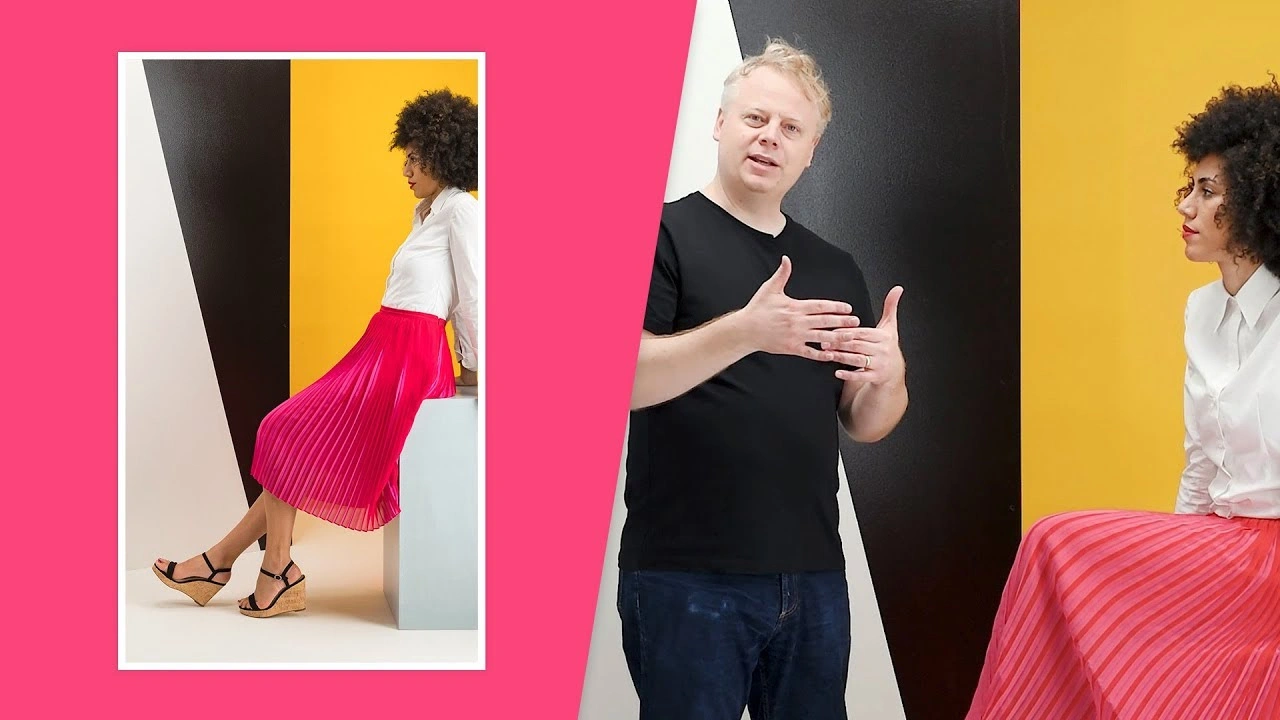
There are many styles of fashion photography used in eCommerce today. Each type presents clothing and accessories in a unique way to attract customers and boost sales.
1. Ghost Mannequin Photography
Ghost mannequin photography is a popular technique where clothing is photographed on a mannequin and then the mannequin is removed during editing.
This process shows the product from different angles while keeping its natural shape intact. It allows customers to clearly see how the clothing fits and falls, without any distractions.
Editors carefully remove the mannequin to create a clean, hollow look that highlights the structure, stitching, and details of the item.
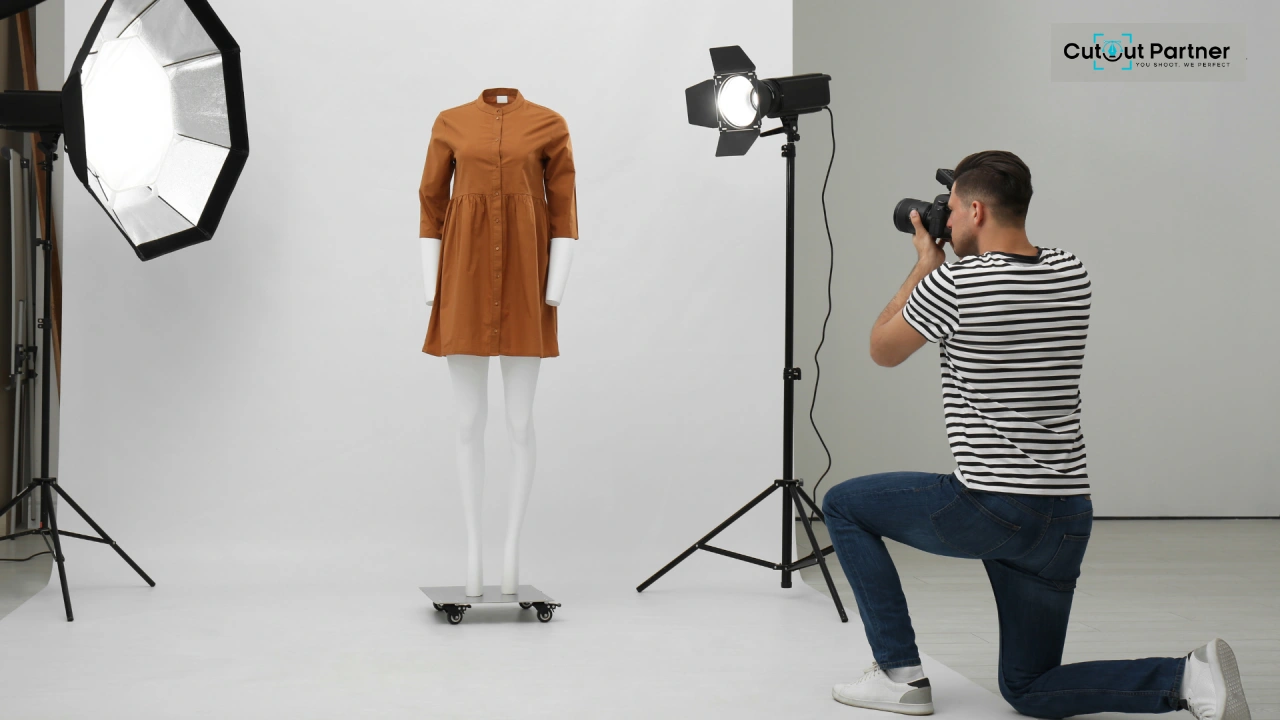
This method also creates a subtle 3D effect, making the product look more realistic and visually appealing. As a result, it helps customers better understand the product and increases the chances of making a purchase.
That’s why ghost mannequin photography remains an essential choice for modern eCommerce fashion brands in 2026.
2. Flat Lay Photography
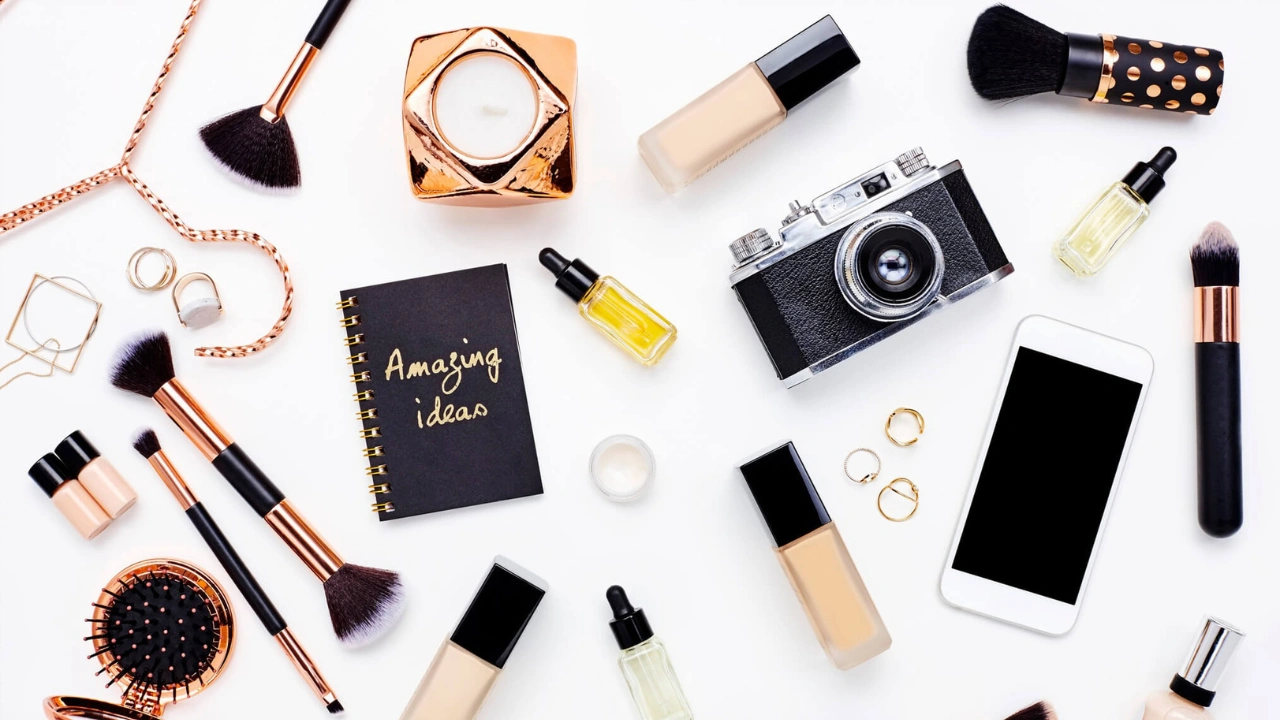
Flat lay photography is a simple and creative way to showcase fashion items by placing them on a flat surface and shooting from directly above.
In this style, clothing and accessories are carefully arranged—often in neat rows or stylish compositions—to create a visually appealing layout. It’s perfect for telling a story, such as pairing outfits with matching items like shoes, jewelry, or makeup.
One of the biggest advantages of flat lay photography is the creative freedom it offers. You can experiment with colors, props, and spacing to make your images stand out and grab attention.
This makes flat lay photography a popular choice for eCommerce brands that want to present their products in a clean, modern, and eye-catching way
3. Catalog Ultra Fashion Photography
Catalog fashion photography focuses on clearly showing clothing, garments, and accessories so customers can easily understand the product.
The goal is to present each item in a simple and clean way, helping viewers imagine how it will look when worn. These images are often used alongside important details like price, size, and color.
Most catalog shoots are done in a studio with a white or neutral background. This keeps the attention fully on the product without any distractions.
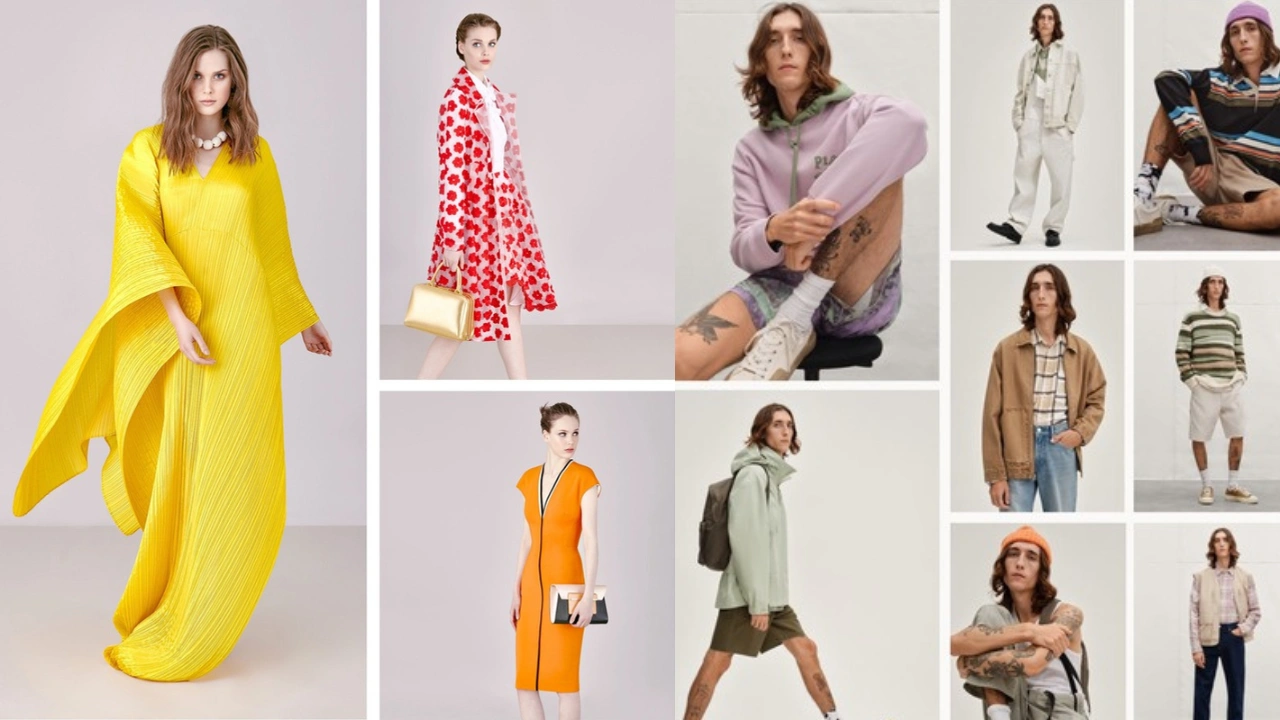
4. Lookbook Fashion Photography
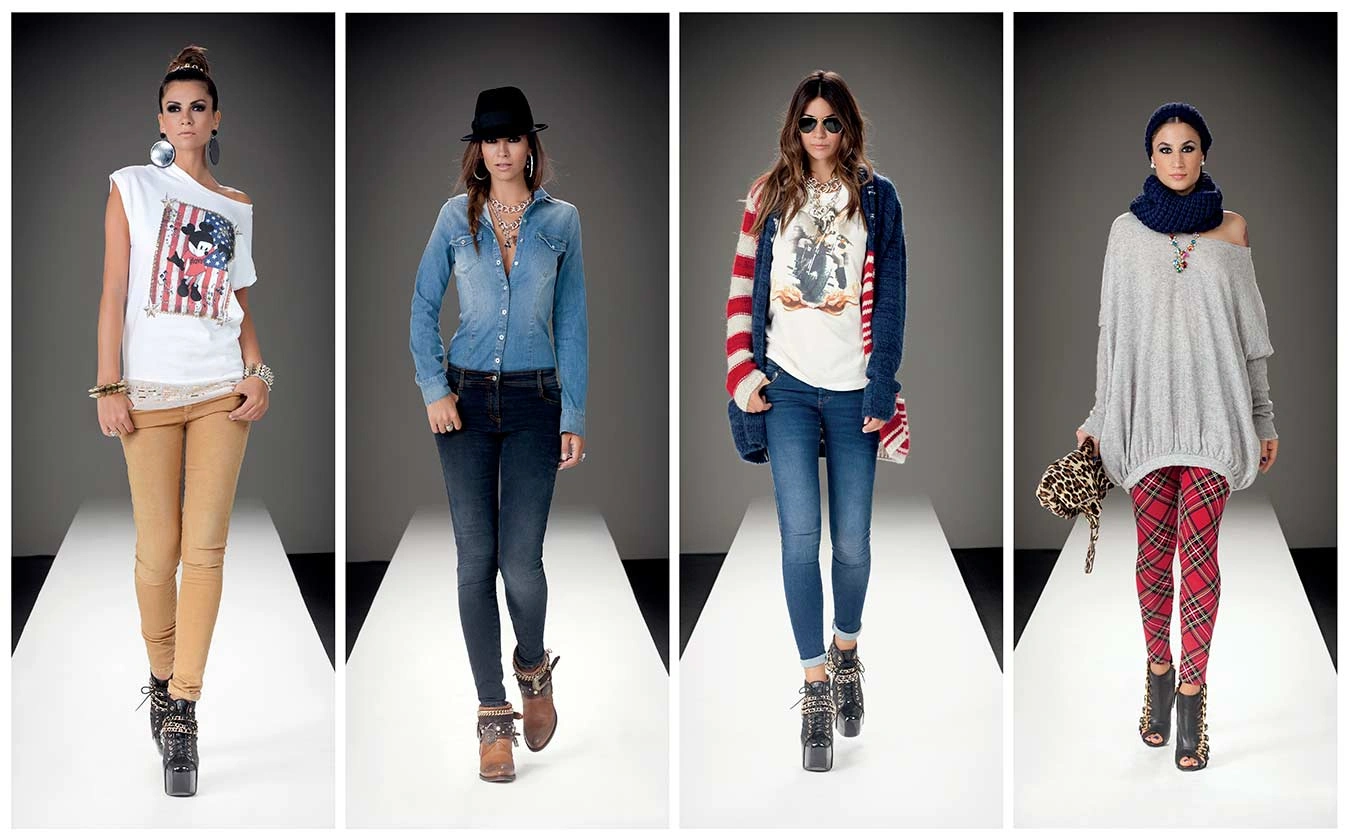
Lookbook fashion photography focuses on visual storytelling. It highlights the mood, style, and personality of a fashion collection in a creative way.
Instead of showing just one item, it presents multiple products together, often through styled outfits and themed shoots. These images are designed to connect with the audience and create a strong brand impression.
All the photos in a lookbook follow a single concept or theme. The goal is to promote the entire collection as a complete style, rather than selling individual products separately.
5. Advertising Fashion Photography
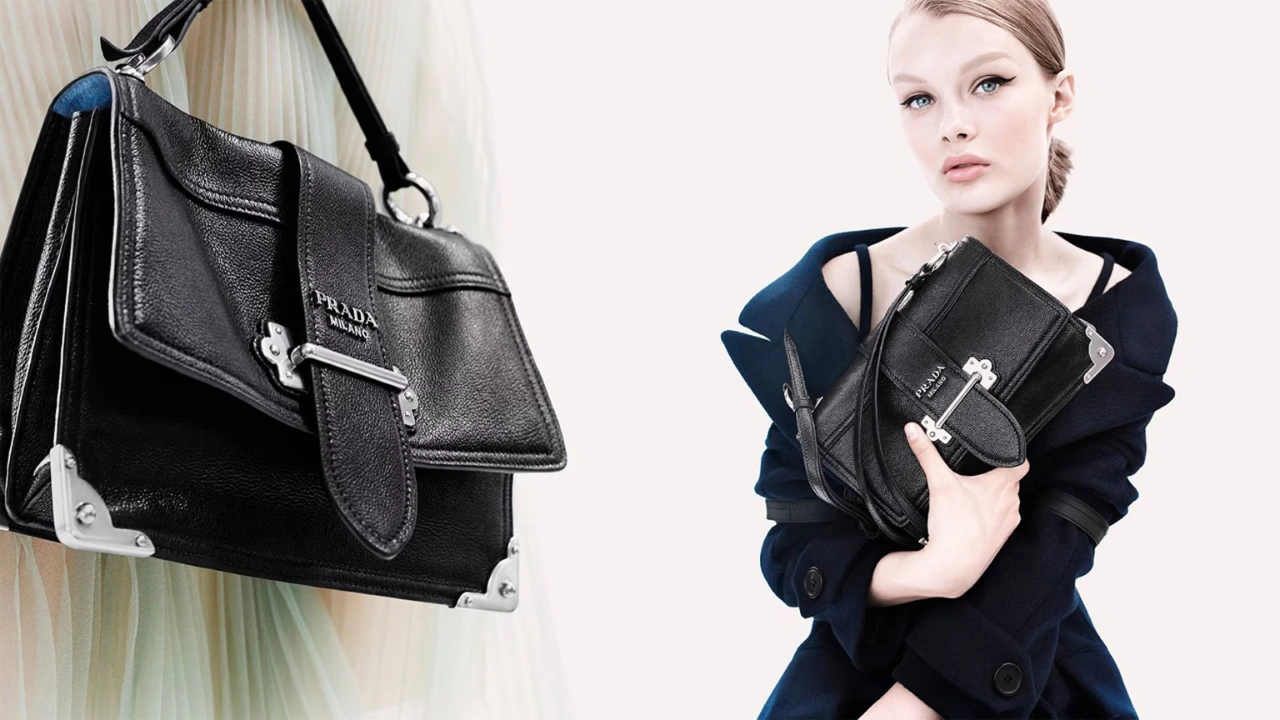
Advertising fashion photography is created with a strong commercial purpose. It focuses on presenting fashion products in a way that grabs attention and drives customer interest.
These images are designed to highlight key features of the product while creating a powerful visual impact. The goal is to engage the audience and encourage them to take action.
Photographers often use clean or neutral backgrounds to keep the focus on the product. At the same time, they may add elements of lifestyle or emotion to match the brand’s identity and make the visuals more appealing.
This type of photography is widely used in ads, banners, and promotional campaigns to boost visibility and sales.
6. High Fashion Photography
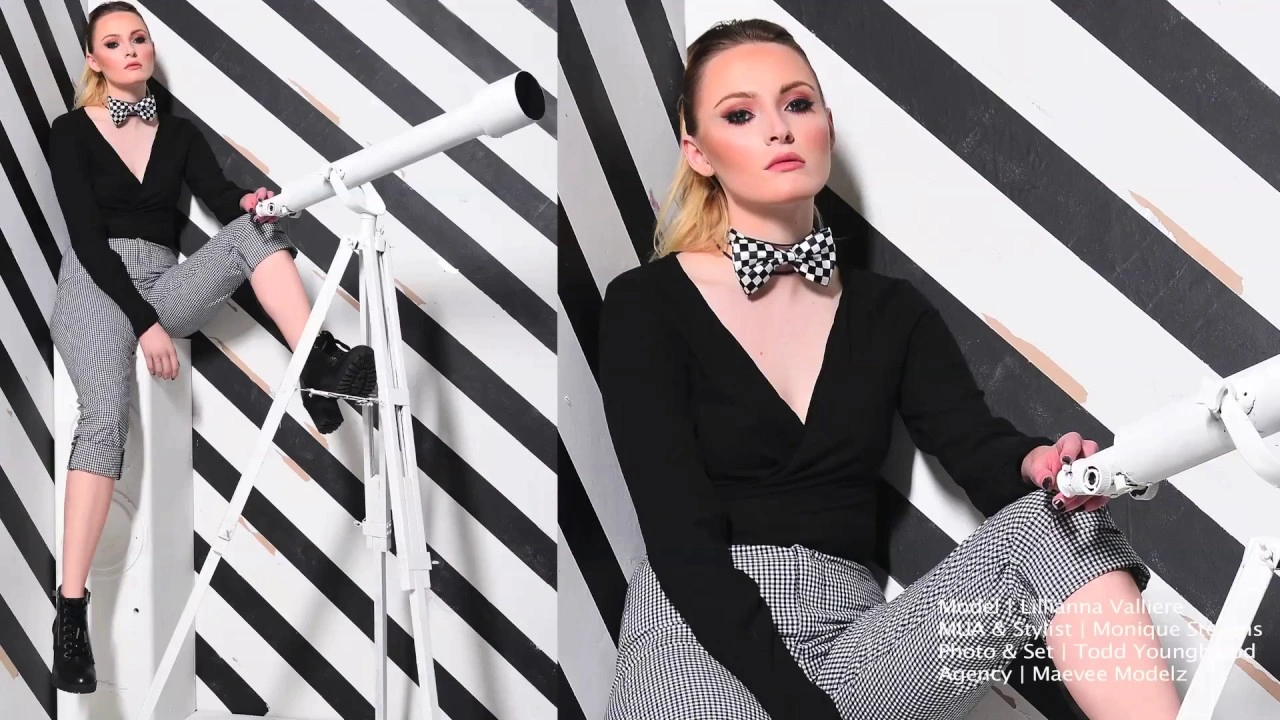
High fashion photography is all about creativity, style, and strong visual impact. It goes beyond simple product display and focuses on artistic concepts and bold ideas.
This type of photography often highlights unique fashion trends, dramatic styling, and eye-catching poses to create powerful emotions and a memorable impression.
Top fashion brands and designers use high fashion photography to present their collections in a premium and exclusive way. The goal is not just to sell a product, but to showcase a vision and lifestyle.
High fashion shoots usually require bigger budgets, professional models, and advanced camera techniques to capture fine details and create stunning, high-end visuals.
7. Street Fashion Photography
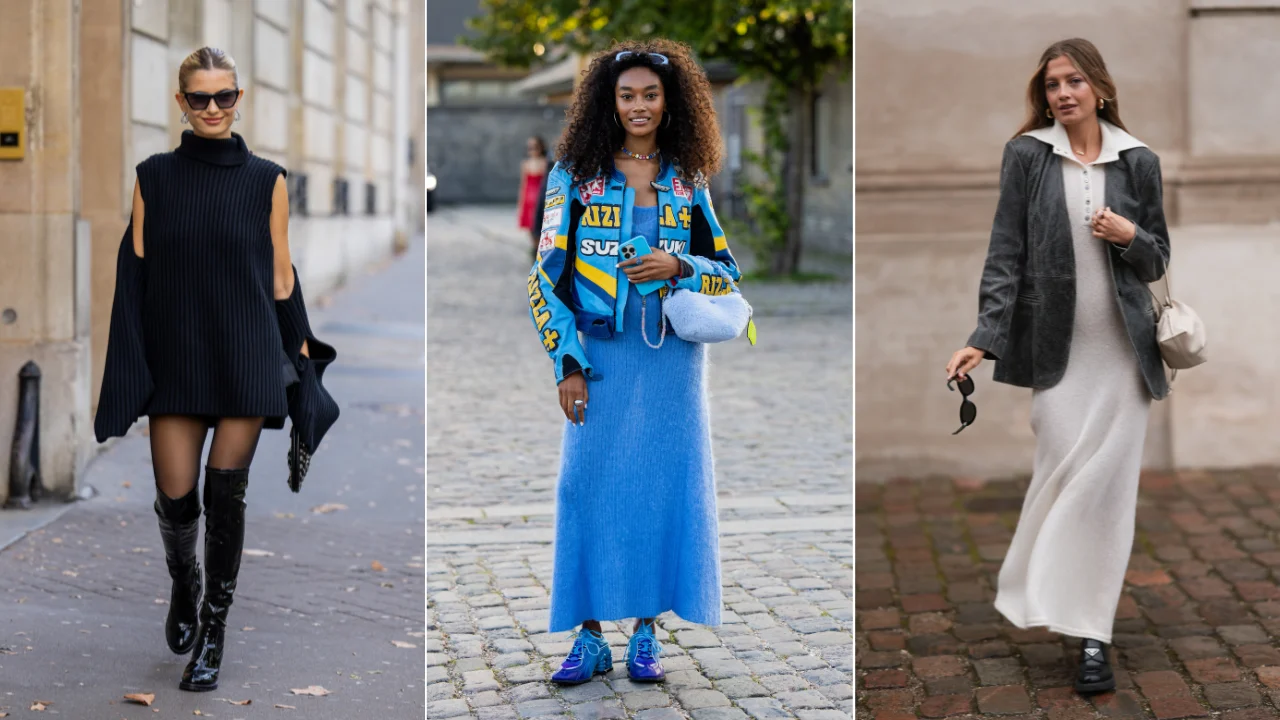
Street fashion photography is a trendy style that captures real people, their outfits, and everyday fashion in natural settings.
It focuses on showing clothing in real-life situations, giving a more authentic and relatable feel. This approach helps customers see how the products look outside of a studio environment.
Street fashion celebrates individuality and highlights different styles, cultures, and personal expressions. It makes fashion feel more accessible and real.
Using various backgrounds and locations adds depth to the images. With strong composition and timing, you can create eye-catching photos that naturally draw attention to the products.
8. Editorial Fashion Photography
Editorial fashion photography is created for magazines, blogs, and publications where fashion is presented through a story or theme.
These photos are often guided by an editorial team, combining styling, concepts, and fashion pieces to create a cohesive visual narrative. The focus is less on individual products and more on the overall mood and direction of the shoot.
Editorial images are usually aspirational, meaning they inspire viewers by showcasing a lifestyle, trend, or idea. They blend creativity with fashion to capture attention and communicate a strong visual story that appeals to the audience.
9. Runway Fashion Photography
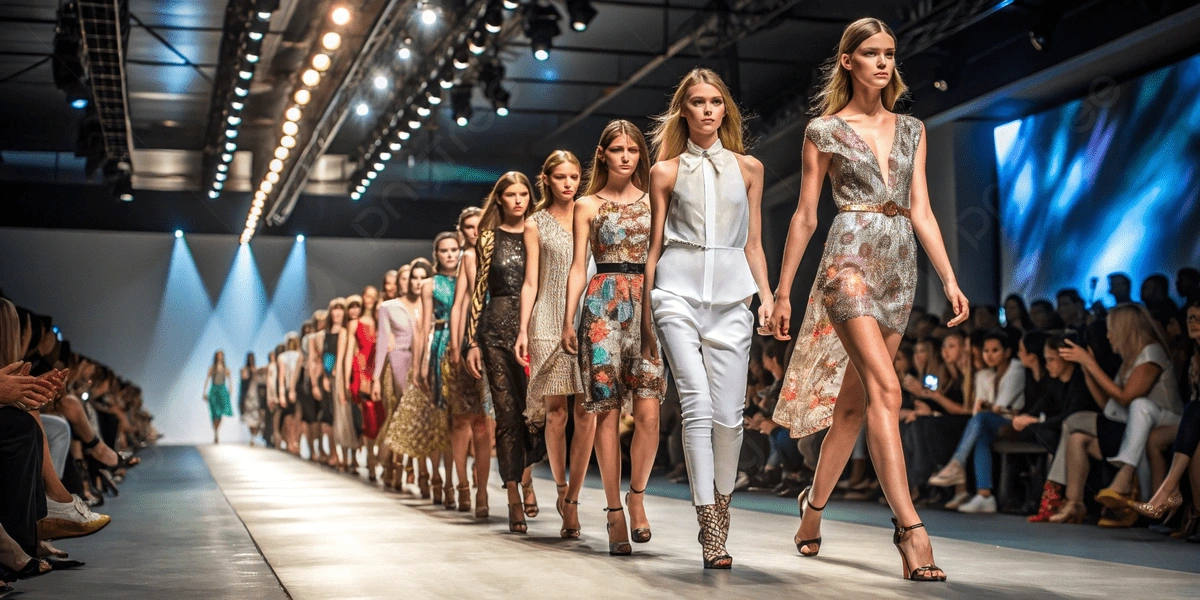
Runway fashion photography is used to capture models as they walk on the runway, showcasing clothing and accessories in a live event setting.
It highlights movement, poses, and the natural flow of garments, allowing viewers to see how the outfit looks in action. This style helps present fashion in a dynamic and energetic way.
Photographers often focus on timing, angles, and composition to capture the best moments as models walk. Using the right lenses and camera settings is important, especially in low-light environments, to ensure clear and sharp images.
Runway photography is widely used by designers and brands to present new collections and share the latest fashion trends with a broader audience.
10. 360 Fashion Photography
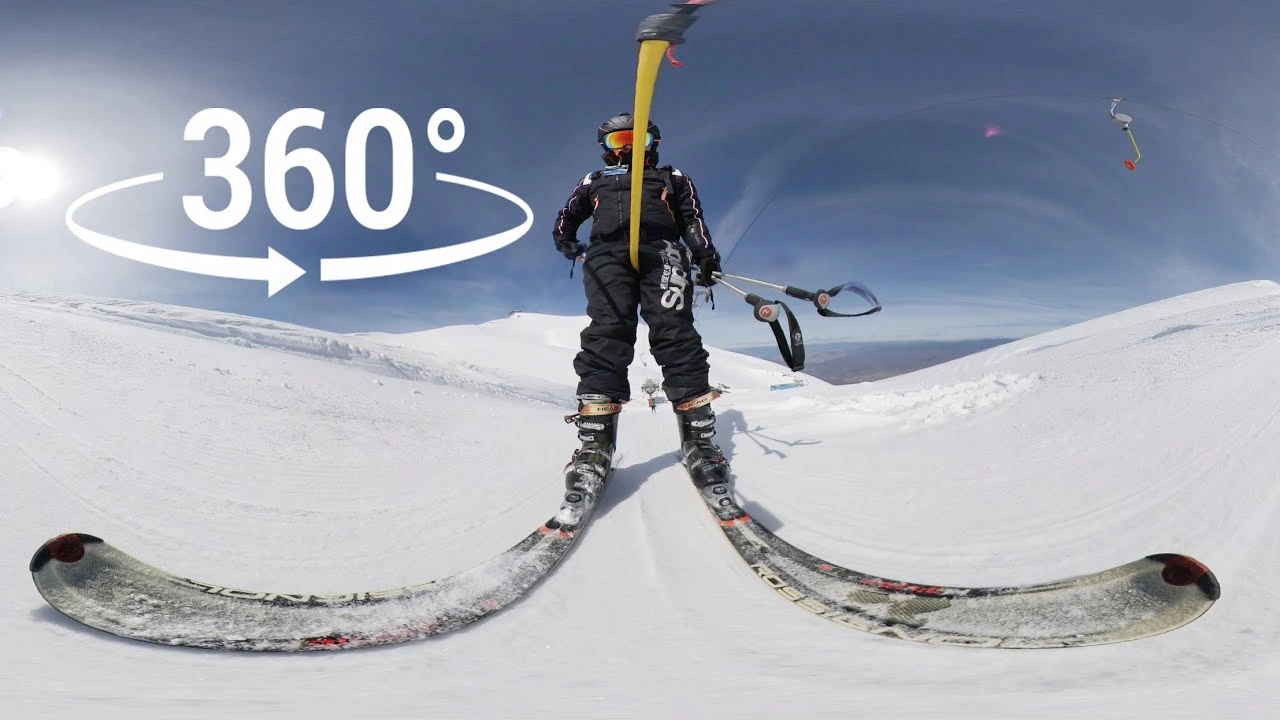
360 fashion photography provides a complete panoramic view of fashion products, allowing customers to see items from every angle.
This technique involves capturing multiple images of a product or model from different viewpoints and combining them to create an interactive experience. It helps shoppers explore details such as fit, texture, and overall design more clearly.
With 360 photography, users can rotate the product view and examine it from top to bottom and side to side, creating a more engaging and realistic shopping experience.
By showcasing clothing and accessories from all angles, this method builds trust and reduces uncertainty, making it a powerful tool for modern eCommerce fashion brands.
How to Shoot Clothing Product Photography Like a Pro
There is no fixed formula for perfect clothing product photography. However, with practice and experimentation, you can improve your skills and achieve professional results.
Prepare Your eCommerce Fashion Photography Setup
A well-organized setup is essential to capture high-quality fashion images. Proper preparation helps you understand your shoot clearly and get the desired results more efficiently.
Before starting, make sure you have the right equipment and setup in place:
- Camera (DSLR): A DSLR camera is ideal for eCommerce fashion photography as it delivers high-quality images with great detail. Popular options include Canon EOS R5, Canon EOS 7D Mark III, Canon EOS 5D Mark III, and Nikon D7100.
- Lens: Different lenses can create different effects. Wide-angle lenses help capture more of the scene, while prime lenses like 35mm, 50mm, and 85mm are great for sharp, focused product shots with a natural background blur.
- Tripod: Stability is key for clear and sharp images. A tripod helps reduce camera shake and allows you to maintain consistent angles throughout your shoot.
- Headlamp / Lighting Tool: Lighting plays a major role in photography. A headlamp or portable light source can help control lighting, especially in outdoor or low-light conditions. It’s especially useful for street fashion photography.
- Reflector: A reflector helps bounce light onto your subject, improving brightness and reducing shadows. White reflectors create a natural look, while gold reflectors add a warm tone to the image.
With the right preparation and equipment, you can significantly improve the quality of your eCommerce fashion photography and create more professional-looking product images.
Indoor Photoshoot Preparation
Setting up a studio can be expensive, but you can easily create an affordable DIY product photography setup at home in just a few steps.
Step 1: Gather Your Equipment
For a basic indoor setup, you’ll need:
- A camera with a suitable lens
- A tripod for stability
- Lighting (natural or artificial)
- White foam boards for reflection
- A thin curtain to soften light
Step 2: Arrange Your Setup
- Choose a sturdy, flat table as your shooting surface
- Place your product and tools neatly on the table
- Use tape or clamps to secure items and avoid unwanted movement or wrinkles
Outdoor Photoshoot Preparation
Outdoor photography requires a bit more planning to get the best results. Here are the key things to prepare:
- Mood Board: Create a visual guide to plan the style, poses, and types of shots you want to capture
- Lighting Equipment: Use natural light whenever possible, and control it with reflectors or diffusers to avoid harsh shadows
- Shot List: Prepare a list of images you want to take so you don’t miss anything during the shoot
Things to Consider While Shooting Outdoors:
When working outside, you’ll need to constantly adjust your camera and setup based on:
- Background selection
- Sun position and direction
- Shadow intensity and direction
Proper planning and flexibility will help you capture high-quality and consistent fashion product photos both indoors and outdoors.
Prepare Your Apparel Product
Start by gathering all the clothing and accessories you plan to photograph. Make sure each item is clean, freshly laundered, and properly ironed.
Remove any dust, stains, or wrinkles before the shoot. It’s also helpful to keep basic cleaning tools with you on set so you can quickly fix any issues that may appear during the session.
Prepare the Model
Make sure your model feels comfortable and confident before the shoot begins. A short rehearsal or discussion can help them understand the poses and overall concept.
Give clear directions so they know how to position themselves and interact with the clothing naturally. If you’re working with new models, take some time to build rapport and create a relaxed environment.
Once the model is comfortable and understands the instructions, the shoot will run more smoothly and produce better results.
Ensure the Best Lighting
Lighting plays a crucial role in eCommerce fashion photography. The right lighting setup helps highlight product details, improve clarity, and create a professional look.
You can explore different lighting setups to find what works best for your indoor shoots. Combining strobe lights with tools like V-flats helps soften and control the light, reducing harsh shadows.
It’s always a good idea to test your lighting setup before the actual shoot. Take sample shots using yourself or a stand-in to check exposure, shadows, and overall balance. This allows you to make adjustments in advance and ensures consistent results.
You can also experiment with flash in low-light environments or combine it with natural light. On bright days, reflectors alone can help create clean and high-quality fashion images.
To better understand lighting behavior, try capturing the same pose from different angles and observe how light interacts with the subject.
Shoot Your Desired Fashion Photo
When you’re ready to shoot, pay close attention to your camera settings:
- Aperture: Controls depth of field and sharpness. For fashion photography, an aperture between f/2.8 and f/5.8 helps keep the product in focus while softly blurring the background.
- Shutter Speed: A faster shutter speed (around 1/160) helps avoid motion blur and ensures sharp images.
- ISO: Keep ISO between 100–400 to maintain image quality while adjusting brightness as needed.
5 Key Trends for eCommerce Fashion Photography in 2026
1. Focusing on Sustainability
Sustainability is becoming increasingly important in fashion photography. Consumers prefer brands that reflect eco-friendly values. Using natural tones, simple backdrops, and organic settings helps communicate a sustainable brand image.
2. Cinematic Storytelling
Fashion photography is moving beyond simple product shots toward storytelling. Cinematic lighting, creative composition, and props help create mood-driven visuals that connect emotionally with viewers.
3. Diversity and Inclusivity
Modern fashion photography emphasizes representing different body types, ethnicities, and age groups. This inclusive approach helps brands reach a wider audience and reflect real-world diversity.
4. Nostalgic Influences
Vintage and retro styles are making a comeback. Incorporating nostalgic elements helps create emotional connections and adds a timeless feel to fashion visuals.
5. Bold Color Palettes
Bright and bold colors are used to grab attention and make products stand out. Vibrant backgrounds, colorful props, and strong contrasts help create visually striking images that attract customers quickly.
4 Best Practices for eCommerce Fashion Photography in 2026
Following these best practices will help you create high-quality fashion images that attract customers and support your brand growth.
1. See from Your Audience’s Perspective
Put your customers first when planning your photos. Think about what information they need before making a purchase.
Show important details such as fabric, fit, texture, and key features. Close-up shots are especially useful for highlighting intricate designs and product quality.
2. Be Consistent with Your Photography Style
Consistency helps build a strong and recognizable brand identity. When your images follow the same style, colors, lighting, and composition, customers can easily identify your brand.
A consistent visual approach also builds trust and encourages customer loyalty. Keep your backgrounds, props, and lighting aligned with your overall branding strategy.
3. Capture from Different Angles
Consistency in style does not mean using the same angle every time. To give customers a complete view of your product, capture images from multiple angles.
Try shooting from different perspectives such as high angle, low angle, eye-level, and even dynamic angles when appropriate. This helps customers better understand how the product looks in real life.
4. Use Props as a Complement
Props can enhance your images and help tell a story, but they should never overpower the product.
Choose props that match your brand identity and support the overall composition. When used carefully, props can add context, style, and visual interest without distracting from the main subject.
Hire Professionals to Fine-tune Your Photos After Fashion Photography
When dealing with a large number of product images, professional editing can make a significant difference. Skilled editors enhance image quality, maintain consistency, and ensure a polished final result.
They use advanced tools and techniques to refine colors, lighting, and details, helping your product images align with your branding goals and look more appealing to customers.
If you need expert eCommerce photo editing support, working with professionals can save time and improve overall visual quality.
Why Cutout Partner Stands Out in eCommerce Fashion Photography Retouching
In today’s competitive eCommerce world, high-quality product images are essential for attracting customers and driving sales. Fashion brands, in particular, rely heavily on visually appealing photos to showcase their clothing and accessories. This is where professional retouching plays a crucial role. Among many service providers, Cutout Partner stands out as a reliable and specialized eCommerce fashion photography retouching agency that helps brands elevate their visual presentation.
Focus on eCommerce Fashion Needs
Cutout Partner understands the specific requirements of eCommerce fashion businesses. Unlike general photo editing, fashion retouching requires attention to detail, consistency, and an understanding of how products should appear across different platforms like online stores and marketplaces.
Their editing approach is designed to highlight fabric texture, color accuracy, fit, and overall presentation. This ensures that every product image not only looks polished but also represents the product realistically, helping reduce customer confusion and return rates.
High-Quality and Consistent Results
One of the key strengths of Cutout Partner is consistency. In fashion eCommerce, maintaining a uniform look across all product images is essential for building brand identity. Whether it’s lighting balance, background removal, color correction, or shadow creation, consistency helps create a professional and trustworthy storefront.
Cutout Partner ensures that every image follows the same visual style, which is especially important for large catalogs with hundreds or thousands of products. This consistency enhances the overall shopping experience and strengthens brand recognition.
Specialized Retouching Services
Cutout Partner offers a wide range of specialized retouching services tailored for fashion products. These include background removal, ghost mannequin editing, skin retouching for model shots, color correction, shadow creation, and image cleanup.
Ghost mannequin editing, for example, is widely used in apparel photography to give garments a clean, three-dimensional appearance without distractions. Similarly, color correction ensures that clothing appears true to life, which is critical for online buyers who rely solely on visuals to make purchasing decisions.
Each service is handled with precision to ensure the final output meets professional standards suitable for eCommerce platforms.
Fast Turnaround Time
In the fast-paced world of online retail, time is a critical factor. Product launches, seasonal updates, and marketing campaigns often require quick turnaround times for edited images.
Cutout Partner is known for delivering high-quality edits within efficient timelines. This helps businesses stay on schedule and keep their product listings updated without delays. Fast delivery without compromising quality is one of the reasons many eCommerce brands prefer working with professional retouching agencies.
Scalable Solutions for Businesses of All Sizes
Whether you are a small online store or a large fashion retailer, Cutout Partner provides scalable solutions to match your needs. They can handle both small batches of images and high-volume projects with equal efficiency.
This scalability makes it easier for growing businesses to manage their image editing workload without worrying about capacity issues. As your product catalog expands, you can rely on consistent support to maintain your visual standards.
Skilled Team and Professional Workflow
Another factor that sets Cutout Partner apart is its team of skilled editors who follow a structured workflow. Each image goes through a careful editing process that includes quality checks to ensure accuracy and visual appeal.
The team is experienced in handling different types of fashion photography, including studio shots, model photography, flat lays, and ghost mannequin images. Their expertise ensures that every image aligns with industry standards and client expectations.
Cost-Effective and Value-Driven Services
Outsourcing photo retouching to a professional agency like Cutout Partner can be more cost-effective than maintaining an in-house editing team. It reduces the need for hiring, training, and managing additional staff while still ensuring high-quality results.
By offering competitive pricing and flexible service options, Cutout Partner provides value-driven solutions that help businesses optimize their budget without sacrificing quality.
Final Words
eCommerce fashion photography plays a vital role in increasing brand visibility and driving business growth. It helps create attractive visuals that can be used across online stores and marketplaces like Amazon, Shopify, eBay, and others.
By following the tips, techniques, and trends shared in this article, you can produce high-quality and visually appealing fashion images. Applying the right strategies will help you present your products more effectively and professionally.
Keep practicing with different setups, angles, and styles to improve your results over time. Always aim to capture images creatively, as real-life inspired visuals add more value and help build stronger connections with customers.
FAQs
Why does fashion photography matter for eCommerce?
Customers cannot physically touch or try products online. Fashion photography helps bridge this gap by showing clear and attractive images, allowing buyers to better understand the product and make confident purchase decisions.
Do I really need a model for fashion products?
No, a model is not always necessary. Techniques like flat lay photography and ghost mannequin photography work well for many products. However, models are useful for lifestyle shots that show how the product looks in real-life situations.
What clothing colors are hard to photograph?
White, black, and shiny fabrics can be challenging to capture because they may lose detail easily. Proper lighting and professional editing can help maintain clarity and balance in these images.
Can editing change the real color of clothes?
Yes, excessive editing can alter the actual color of clothing. However, professional photo editing ensures that colors remain accurate while enhancing the overall quality of the image.
What background works best for fashion photos?
Simple and clean backgrounds work best for fashion photography. Neutral colors like white, black, and grey help keep the focus on the product and make the images look more professional.