Line is one of the most fundamental elements of photography composition, yet it is often overlooked by beginners. Every photograph contains lines in some form—whether they are obvious or subtle, straight or curved, real or implied. These lines play a crucial role in shaping how an image is seen, understood, and emotionally interpreted by the viewer. By guiding the viewer’s eye through the frame, lines help create structure, balance, and visual flow within a photograph.
In photography, lines can take many forms, including vertical, horizontal, diagonal, leading, implied, converging, and curved lines. Each type of line carries its own visual meaning and impact. For example, horizontal lines often convey a sense of calm and stability, while vertical lines suggest strength and growth. Diagonal lines introduce energy and movement, and curved lines add a sense of softness and elegance. Leading and converging lines are especially powerful, as they direct the viewer’s attention toward the main subject and create depth within the image.

Understanding how to identify and use lines effectively allows photographers to take more intentional and compelling images. Lines can be used to emphasize the subject, create perspective, add depth, and even influence the mood of the photograph. Whether you are shooting landscapes, portraits, architecture, or product photography, being aware of lines in your composition can significantly improve the overall quality of your work.
In this article, we will explore the different types of lines in photography composition and how you can use them to create more impactful and visually engaging images.
What is Line Photography?
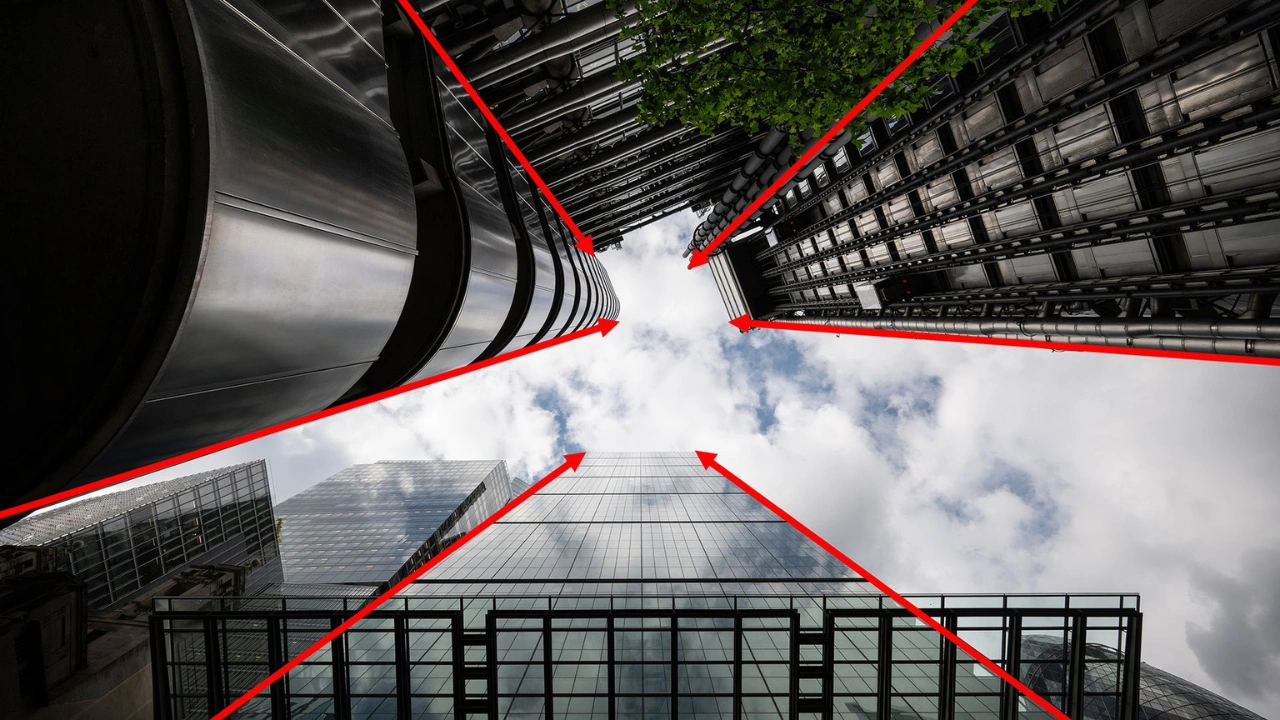
Line photography is not just about taking pictures of lines. It’s about how you use lines in a photo to create strong and eye-catching compositions.
Lines can be real, like roads, fences, or buildings. They can also be implied, like the direction a person is looking or moving.
You can find lines everywhere—in nature and in man-made places. Even posing a person in portrait photography creates lines.
In fact, almost every photo includes some kind of line. That’s why it’s important to notice them when taking pictures.
If you start looking for lines and use them carefully in your composition, you can easily make your photos more interesting and powerful.
Why Are Lines Important in Photography?
Lines are an important part of design, and they help improve the composition of a photo.
They guide the viewer’s eyes through the image and lead them to the main subject or focal point.
Different types of lines can also change the mood of a photo. For example, straight lines can feel strong and stable, while curved lines can feel soft and natural.
When you pay attention to lines and use them carefully, your photos become more engaging and professional. It’s a simple technique that can take your photography to the next level.
The 7 Types of Lines in Photography Composition
If someone asks you to name types of lines, you might say vertical and horizontal. But in photography, there are more types of lines—and each one creates a different effect in your photo.
Using these lines correctly can make your images more attractive and professional.
Here are the 7 important types of lines in photography composition:
- Vertical lines
- Horizontal lines
- Diagonal lines
- Leading lines
- Implied lines
- Converging lines
- Curved lines
Each type of line helps guide the viewer’s eye and adds a unique feeling to your image.
Now, let’s take a closer look at each type of line and how you can use them in your photography.
1.What Do Vertical Lines Represent in Photography?
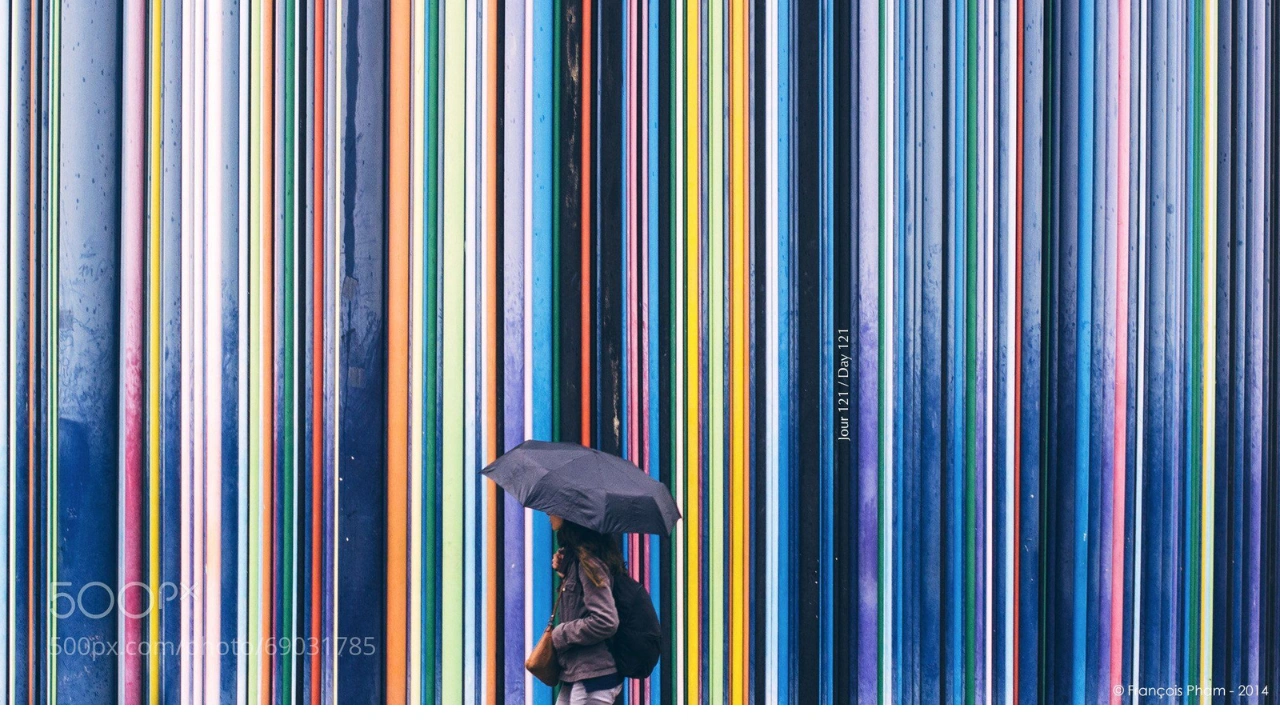
Vertical lines in photography show strength, growth, and confidence. Just like when a person stands straight, it gives a feeling of power and control.
If a subject is standing next to or leaning on a vertical line, they often look more supported and stable.
The thickness of vertical lines also changes how a photo feels:
- Thick vertical lines look strong and powerful
- Thin vertical lines feel more delicate and elegant
Our eyes usually move across a photo and follow lines. Vertical lines can guide the viewer’s eyes upward, which creates a feeling of growth and progress.
Since most buildings are vertical, it’s important to keep them straight in photos. If you tilt the camera slightly, it can look like a mistake. But if you tilt it clearly and intentionally, it can create a creative effect.
2. What Do Horizontal Lines Represent in Photography?
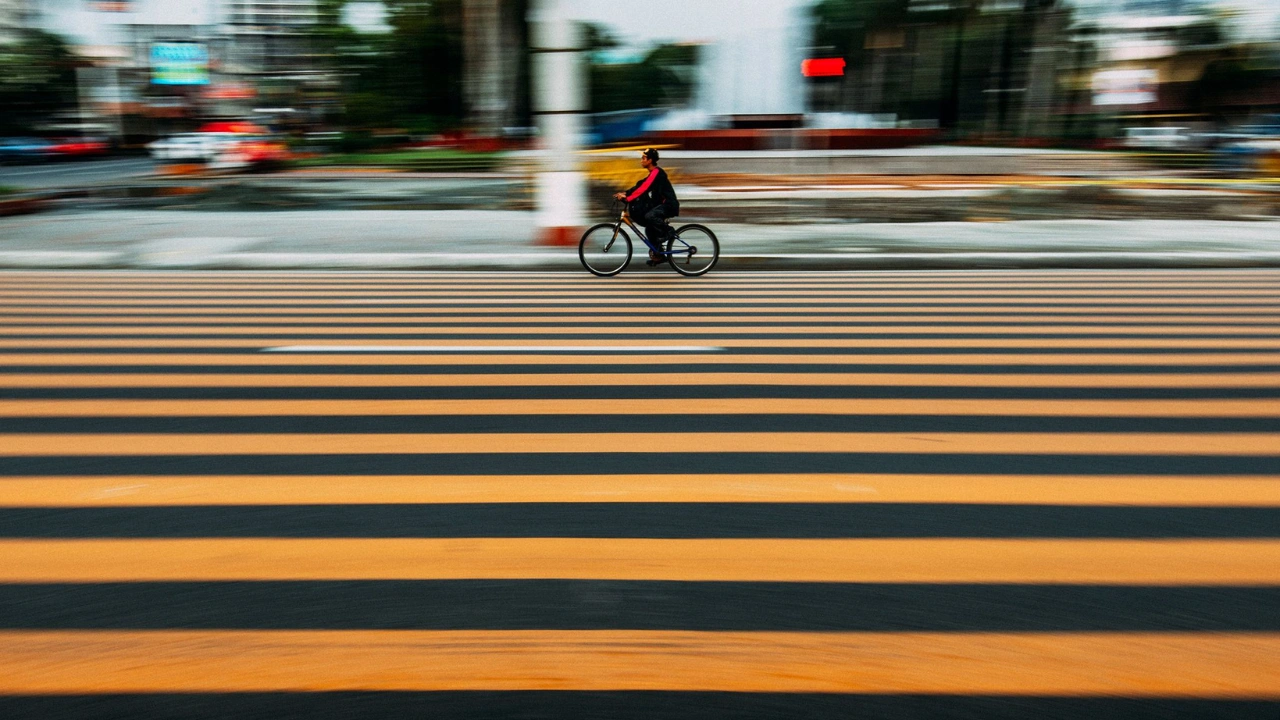
Horizontal lines in photography represent stability, calmness, and rest.
A flat, horizontal line feels steady because it can’t fall over. That’s why it gives a sense of balance and relaxation in a photo.
The thickness of horizontal lines doesn’t change their meaning much. Whether thick or thin, they still create a feeling of calm and stability.
Our eyes naturally follow horizontal lines from left to right. You can use this to your advantage by placing your subject along the line, so the viewer’s eye is guided directly to it.
If your subject is vertical, the viewer’s eye will then move upward, creating a more engaging visual journey through the image.
Also, if your photo includes a horizon, make sure it is straight. A tilted horizon can make the image feel unbalanced or uncomfortable—unless you tilt it on purpose for a creative effect.
3. What Do Diagonal Lines Represent in Photography?
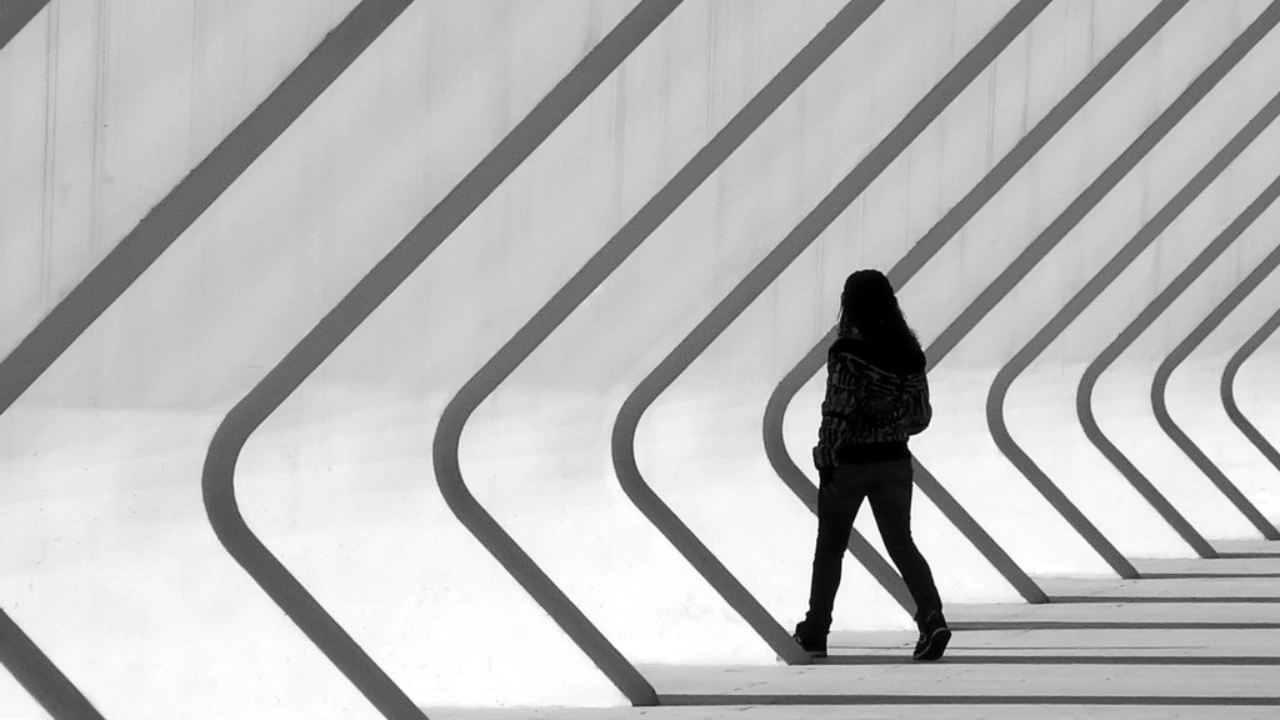
Diagonal lines in photography create a feeling of energy, movement, and tension.
Unlike horizontal and vertical lines, which feel calm and stable, diagonal lines feel less balanced. They give the impression that something might slide or move, which naturally grabs attention.
This sense of tension makes a photo more dynamic and engaging. It can suggest that something is about to happen—whether good or bad—depending on the rest of the scene.
Diagonal lines are also great for adding depth to an image, especially when they lead into the distance.
By using diagonal lines, you can make your photos feel more lively, dramatic, and full of action.
4. How Do You Use Leading Lines in Photography?
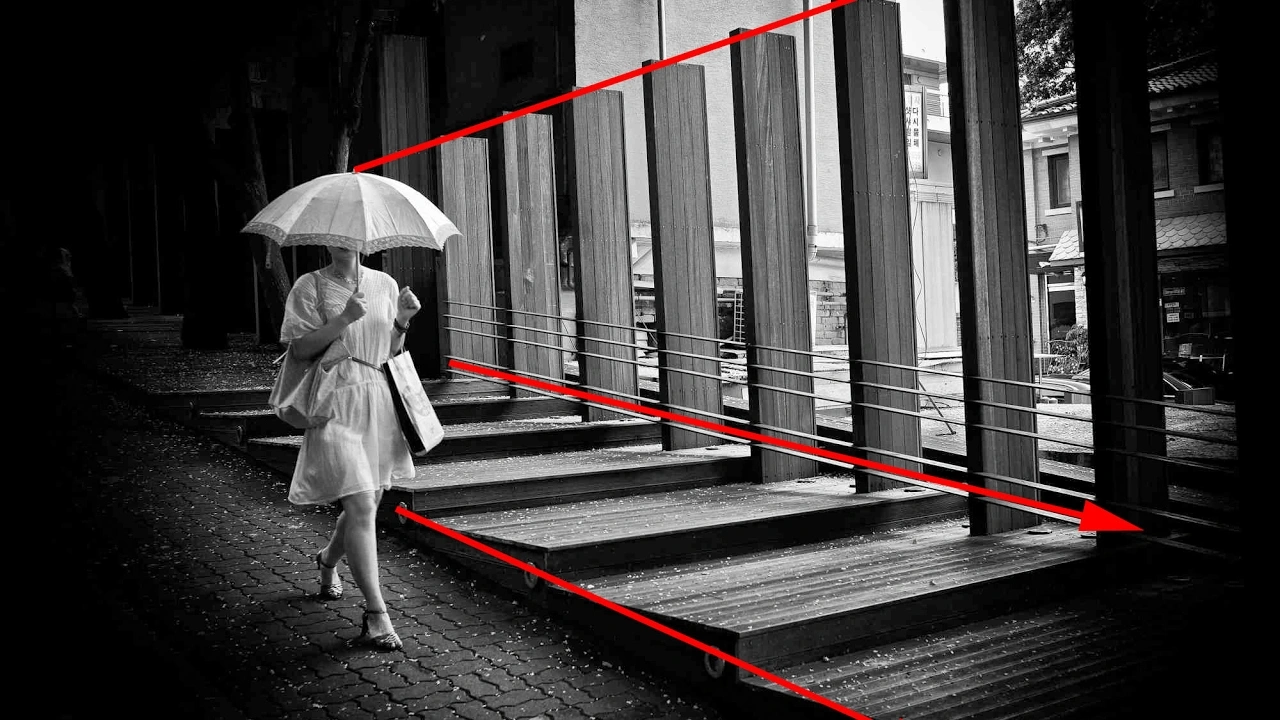
Leading lines are lines that guide the viewer’s eyes through a photo and lead them to the main subject.
As we look at an image, our eyes naturally follow lines—sideways, up, or even into the distance. Photographers use this to take the viewer on a visual journey and make the photo more engaging.
Leading lines also help add depth, making your image feel more three-dimensional instead of flat.
Here are a few ways to use leading lines effectively:
- Place the subject along the line: This guides the viewer directly to the subject.
- Put the subject in the middle of the line: The viewer’s eye reaches the subject and then continues exploring the image.
- End the line at the subject: This makes the viewer focus and stay on the subject longer.
- Start with the subject: If the subject is at the beginning, the viewer looks at it first and then follows the line forward.
You can also use multiple leading lines in one photo. They can come from the same direction or different directions, all pointing toward the subject.
5. What Is an Implied Line in Photography?
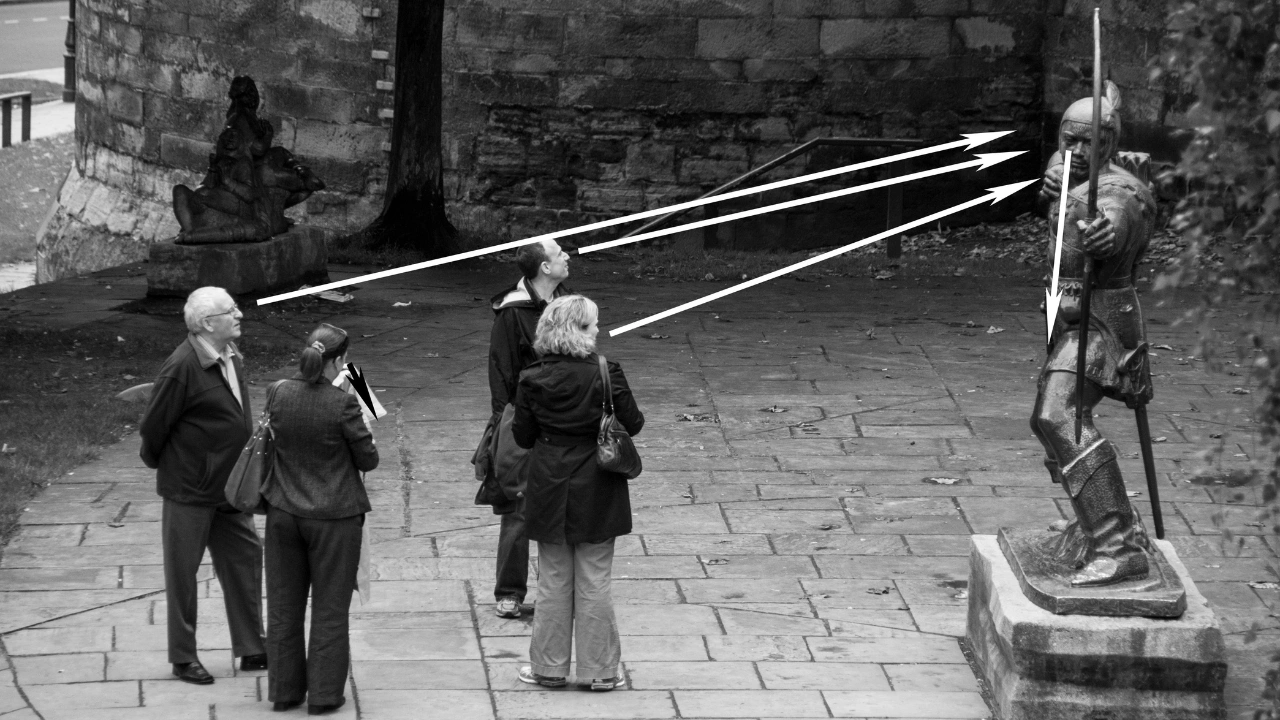
An implied line in photography is a line that is not physically visible, but still exists because of the way elements are arranged in the scene.
Instead of a real line, our eyes connect objects and create a line automatically. This helps guide the viewer’s attention through the image.
Implied lines can be formed by:
- A row of trees
- Streetlights along a road
- Buildings lined up on a street
- A group of people standing in a queue
- Repetition of similar shapes, colors, or patterns
Another common example is the line of sight. When a person in a photo is looking in a certain direction, viewers naturally follow their gaze to see what they are looking at.
Even though implied lines are not visible, they are still very powerful. They help direct attention, create connections between elements, and make the composition more engaging and meaningful.
6. What Are Converging Lines in Photography?
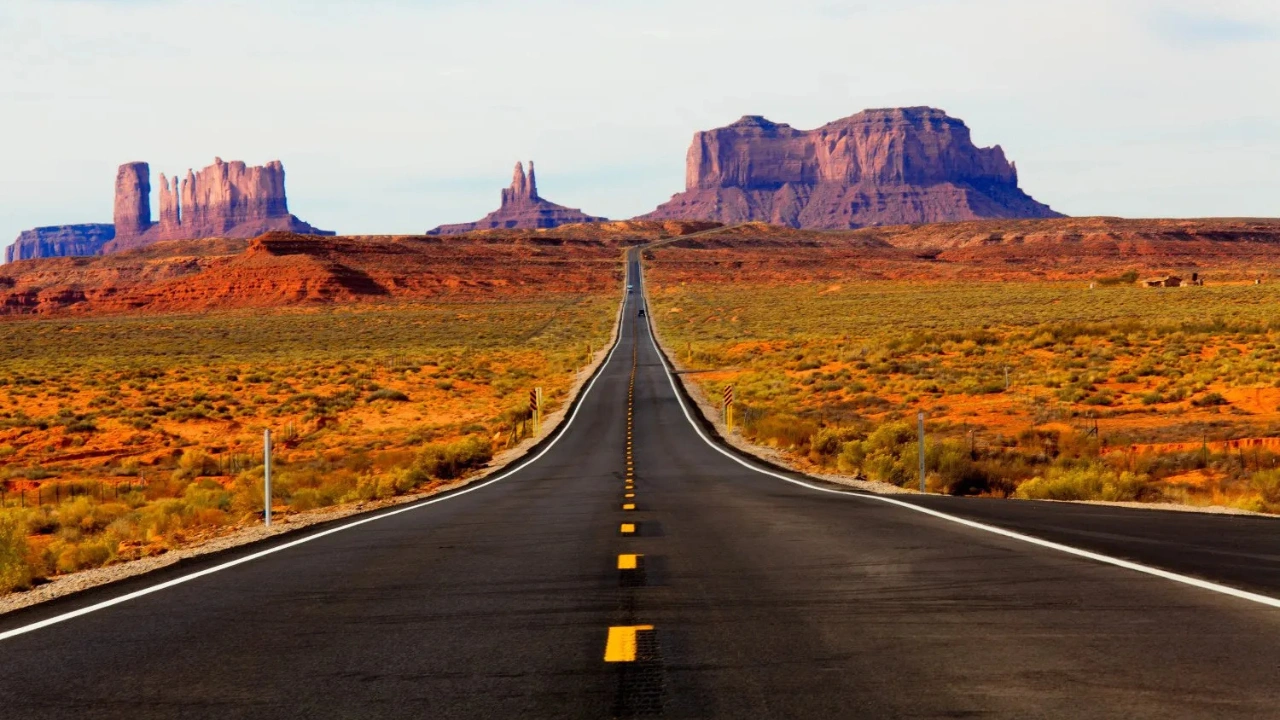
Converging lines in photography are lines that move closer together as they go into the distance. This usually happens when two or more diagonal lines appear to meet at a point, often creating a sense of depth and perspective.
You can commonly see converging lines in scenes like:
- A long straight road
- Rows of trees along a path
- Skyscrapers viewed from the ground looking up
- Railway tracks stretching into the distance
These lines naturally guide the viewer’s eyes toward the point where they meet, which makes them very useful for directing attention.
To make the most of converging lines, place your subject at or near the point where the lines come together. This helps immediately draw the viewer’s focus to the subject and creates a strong composition with depth and impact.
7. How to Use Curved Lines in Photography Composition
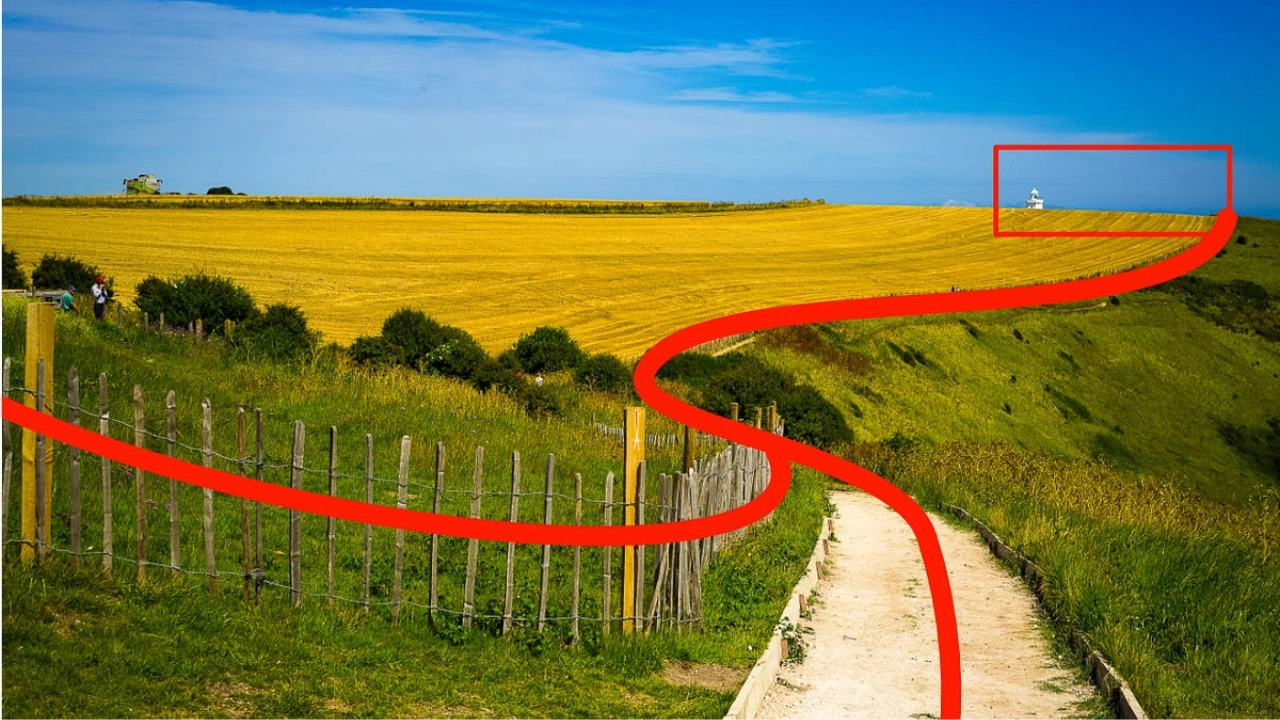
Curved lines are very common in the natural world, and they add a smooth, flowing feel to your photos.
Unlike straight lines, curved lines guide the viewer’s eyes in a gentle, winding path through the image. This creates a slower visual journey, making the photo feel calm, relaxed, and more natural.
One of the most popular curved lines is the S-curve. It follows the shape of the letter “S” and is often used in photography and posing. The S-curve not only looks pleasing but also leads the viewer’s eyes smoothly around the image.
Curved lines are often found in:
- Roads and pathways
- Rivers and streams
- Hills and landscapes
- Human poses (especially in portrait photography)
By using curved lines, you can make your composition feel more balanced, elegant, and visually engaging while naturally guiding the viewer’s attention through the scene.
Cutout Partner is a top-leading image editing agency. If you need flawless, high-quality editing for your photography—whether it’s background removal, retouching, color correction, or any advanced post-production—our expert team is here to help. Get professional results that enhance your visuals and elevate your brand.
Contact us today and let Cutout Partner take care of your image editing needs with precision, consistency, and care.
Conclusion: Summary
Understanding the 7 types of lines in photography composition—vertical, horizontal, diagonal, leading, implied, converging, and curved—can significantly improve the way you capture and present your images. Each type of line plays a unique role in guiding the viewer’s eye, creating depth, and shaping the overall mood of a photograph. Whether you want to convey strength with vertical lines, calmness with horizontal lines, energy with diagonal lines, or flow with curved lines, using lines intentionally adds clarity and impact to your work.
By learning how to identify and use these lines creatively, you can turn ordinary scenes into visually engaging compositions. Paying attention to how lines interact within your frame helps you control focus, highlight your subject, and tell a stronger visual story. Instead of simply capturing what you see, you begin to compose with purpose.
In the end, mastering the use of lines is not about complexity—it’s about observation and practice. The more you train your eye to recognize lines in everyday scenes, the more naturally you’ll incorporate them into your photography. This simple yet powerful technique can elevate your images and help you create more dynamic, balanced, and professional compositions.