Capturing a great product photograph is only the beginning of a professional visual workflow. The true transformation happens in post-production, where raw images are refined, enhanced, and assembled into polished visuals that communicate quality, consistency, and brand identity. Product retouching and compositing are essential disciplines in modern photography, especially in ecommerce, advertising, and commercial campaigns where visual precision directly impacts customer perception and sales performance.
This comprehensive guide explores the full process of retouching and compositing product photography in a structured, professional, and practical manner. It integrates industry-proven techniques, creative workflows, and advanced editing concepts used by professional retouchers to produce clean, high-impact product images that stand out across digital and print platforms.
Understanding the Role of Retouching in Product Photography
Product retouching is the process of refining an image to remove imperfections, enhance details, correct color, and ensure visual consistency. Unlike casual photo editing, product retouching is highly precise and detail-oriented, focusing on accuracy rather than artistic interpretation alone.

At its core, retouching serves several key purposes. It removes distractions such as dust, scratches, fingerprints, and unwanted reflections. It enhances structural elements like edges, textures, stitching, and materials. It also ensures that lighting appears natural and balanced while maintaining the integrity of the product.
Professional retouching is not about altering reality but presenting the product in its most appealing and truthful form. The goal is to highlight features that may not be immediately visible in raw captures while preserving authenticity.
Preparing for a Professional Workflow

A successful retouching process begins with proper organization and a non-destructive workflow. Non-destructive editing ensures that original image data remains intact, allowing flexibility and reversibility at any stage of the process.
Working with layered files, adjustment layers, and smart objects enables editors to make changes without permanently altering the base image. This approach is critical when handling client projects where revisions are often required.
Before starting the editing process, it is important to organize files systematically. This includes naming conventions, version control, and grouping related assets such as multiple exposures or angles of the same product. A well-structured workflow improves efficiency and minimizes errors during complex edits.
Initial Image Assessment and Planning
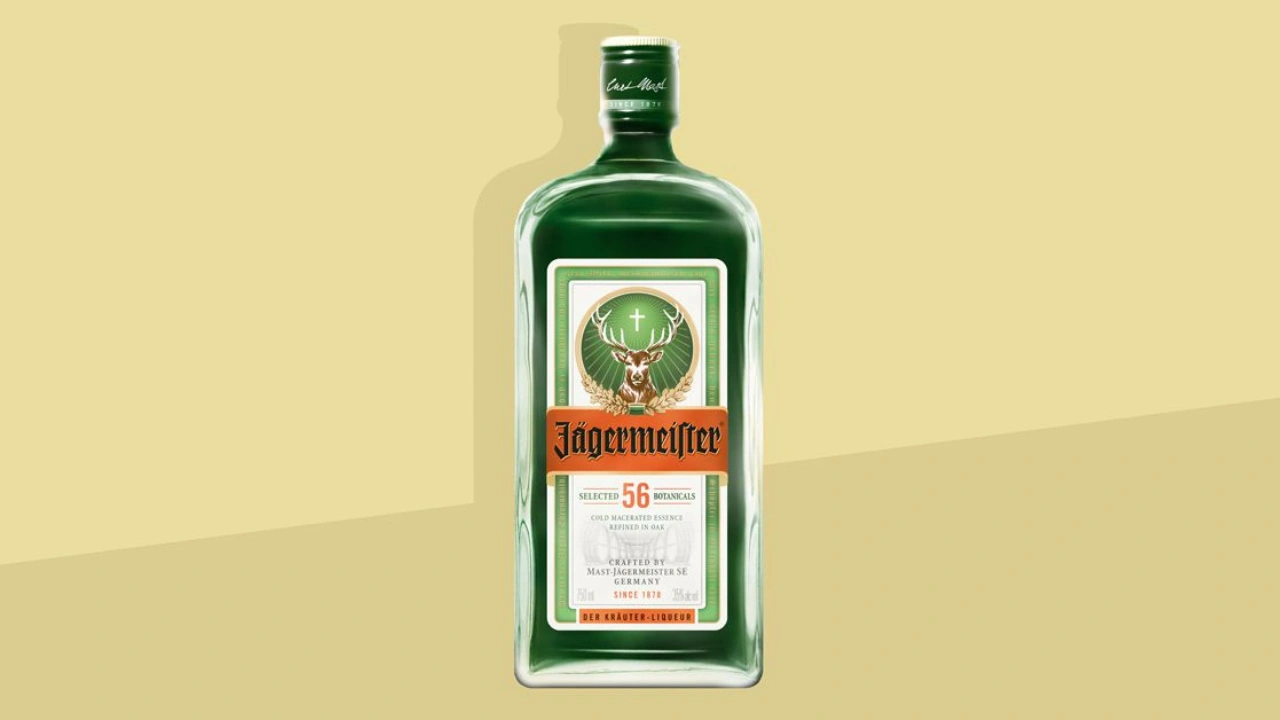
Before making any adjustments, a careful analysis of the image is essential. This involves identifying lighting inconsistencies, exposure issues, background imperfections, and areas that require enhancement.
Evaluating the product’s key attributes helps define the retouching strategy. These attributes may include material texture, reflective surfaces, edges, curves, symmetry, and branding elements such as logos or labels.
Planning the editing approach ensures that each step contributes to the final goal. For example, images intended for ecommerce may prioritize clean backgrounds and accurate color reproduction, while advertising visuals may require more creative compositing and stylization.
Background Cleanup with Shadow and Object Isolation
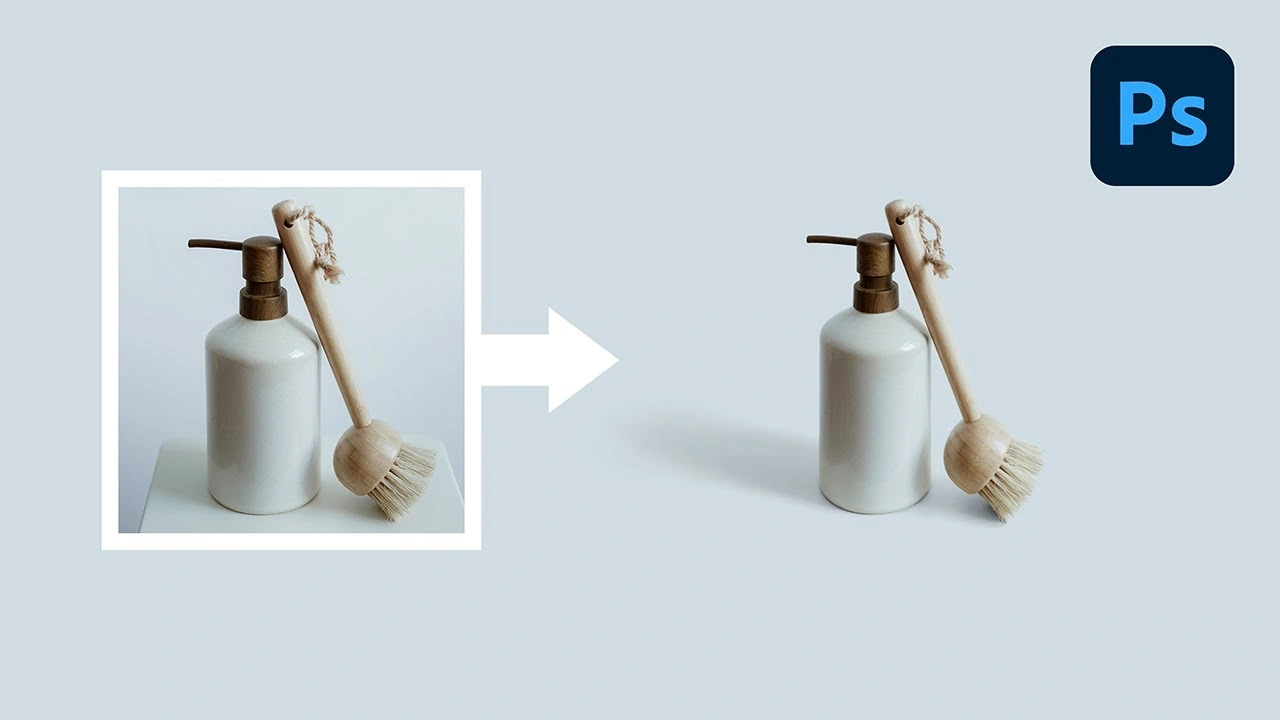
One of the first major steps in product retouching is isolating the product from its background. This process allows full control over composition, background replacement, and visual consistency.
Object selection techniques are used to create precise cutouts. Advanced selection tools and masking techniques ensure that edges remain clean and natural without visible artifacts. Special attention must be given to fine details such as hairline edges, transparent materials, and reflective surfaces.
Once the product is isolated, the background can be replaced or refined. Clean white backgrounds are commonly used for ecommerce platforms, while gradient or custom-designed backgrounds are often used for advertising and branding purposes.
Extending or rebuilding backgrounds may also be necessary when cropping or compositing multiple elements into a cohesive scene.
Cleaning Imperfections and Surface Retouching

After isolating the product, the next step involves removing imperfections that distract from the visual quality of the image. These imperfections may include dust particles, scratches, manufacturing defects, or sensor noise.
Careful retouching tools are used to clean surfaces while preserving texture. The goal is to maintain realism while eliminating distractions. Over-editing can result in unnatural smoothing or loss of detail, so precision is essential.
Surface retouching should follow the natural structure of the product. For example, fabric textures should retain their weave, metallic surfaces should preserve reflections, and glossy materials should maintain highlights and gradients.
Enhancing with Add Texture and Detail
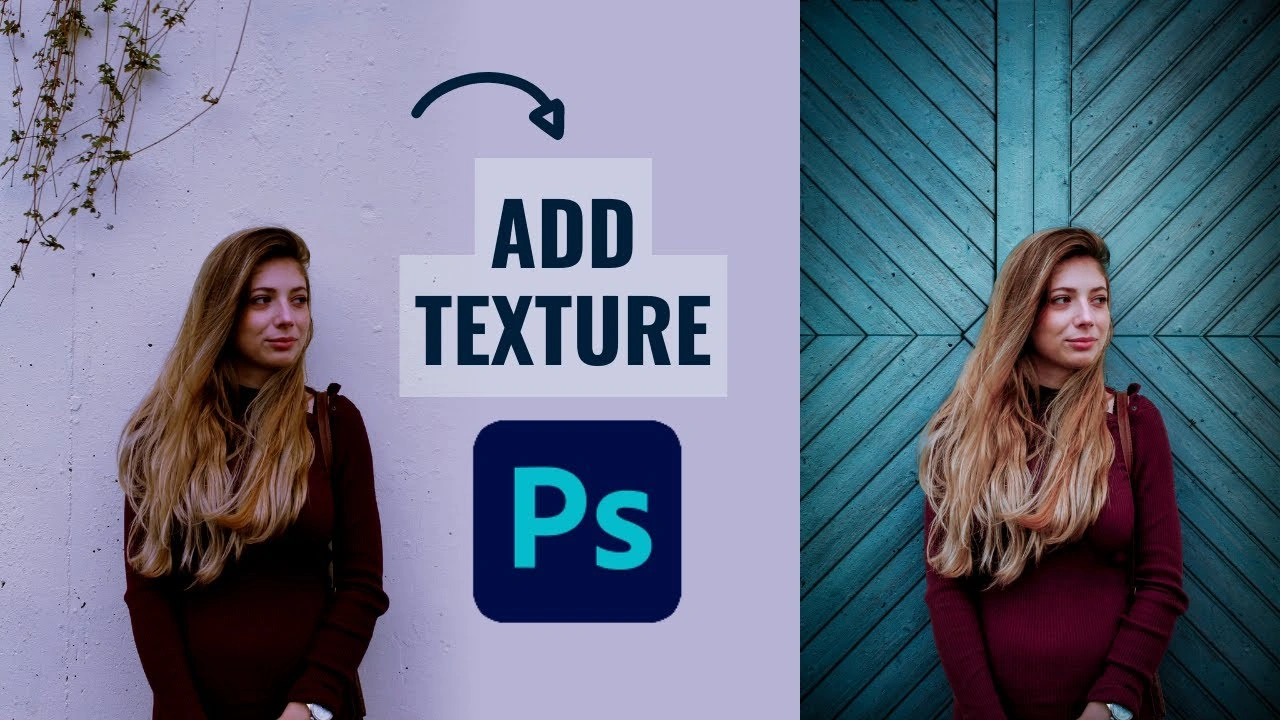
Detail enhancement plays a crucial role in making product images visually compelling. Emphasizing textures such as leather grain, fabric stitching, or brushed metal finishes helps communicate material quality.
Selective sharpening techniques are often applied to bring out fine details without introducing noise or artifacts. These adjustments should be subtle and targeted to specific areas rather than applied globally.
Contrast adjustments can also enhance depth and definition. By carefully balancing highlights and shadows, the product appears more dimensional and visually engaging.
Color Correction and Color Grading
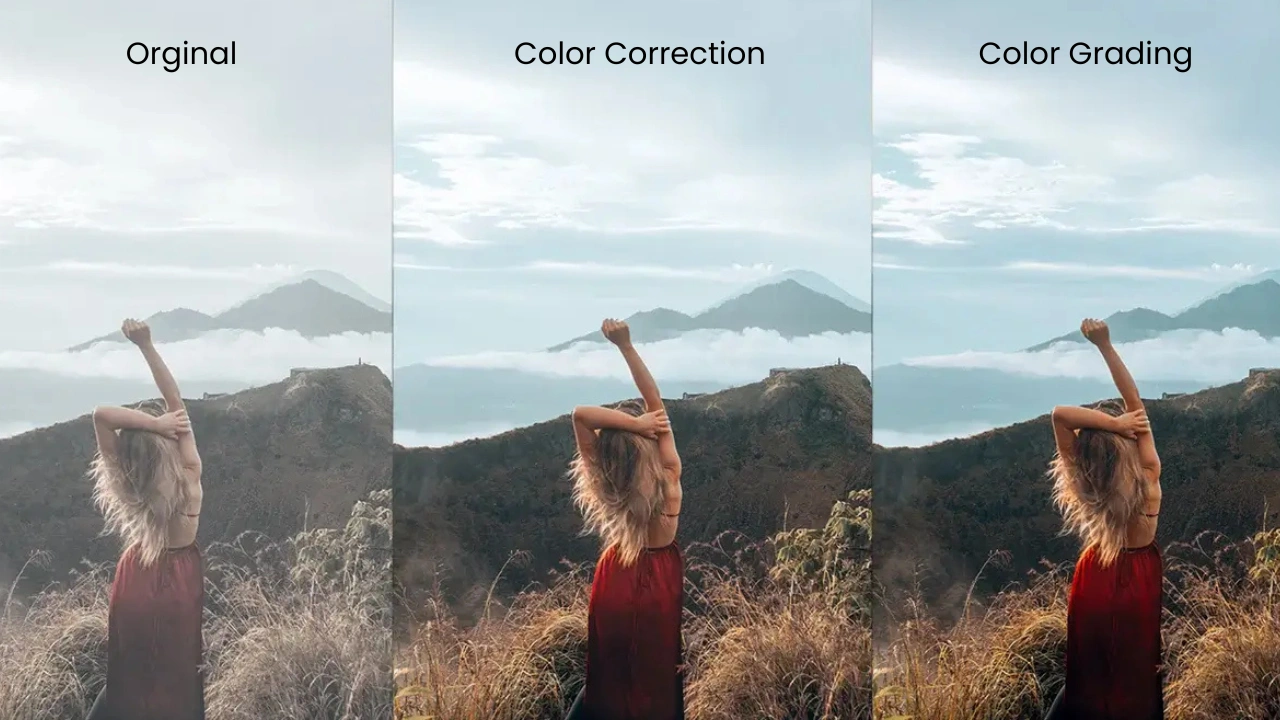
Accurate color representation is critical in product photography, especially for ecommerce image editing services platforms where customers rely on images to make purchasing decisions.
Color correction involves adjusting white balance, exposure, and tonal balance to ensure that the product appears true to life. This step often begins with neutralizing color casts and aligning tones with reference standards.
Color grading may then be applied to enhance the visual tone of the image. This process can involve subtle adjustments to shadows, midtones, and highlights to create a consistent look across a product line or campaign.
Maintaining color consistency across multiple images is particularly important when presenting variations of the same product or building a cohesive catalog.
Advanced Retouching Techniques: Frequency Separation

Frequency separation is a powerful technique that allows editors to separate texture from color and tone. This separation enables precise control over imperfections without affecting the underlying structure of the image.
In product photography, frequency separation is especially useful for smoothing uneven surfaces, correcting minor blemishes, and refining textures without compromising detail.
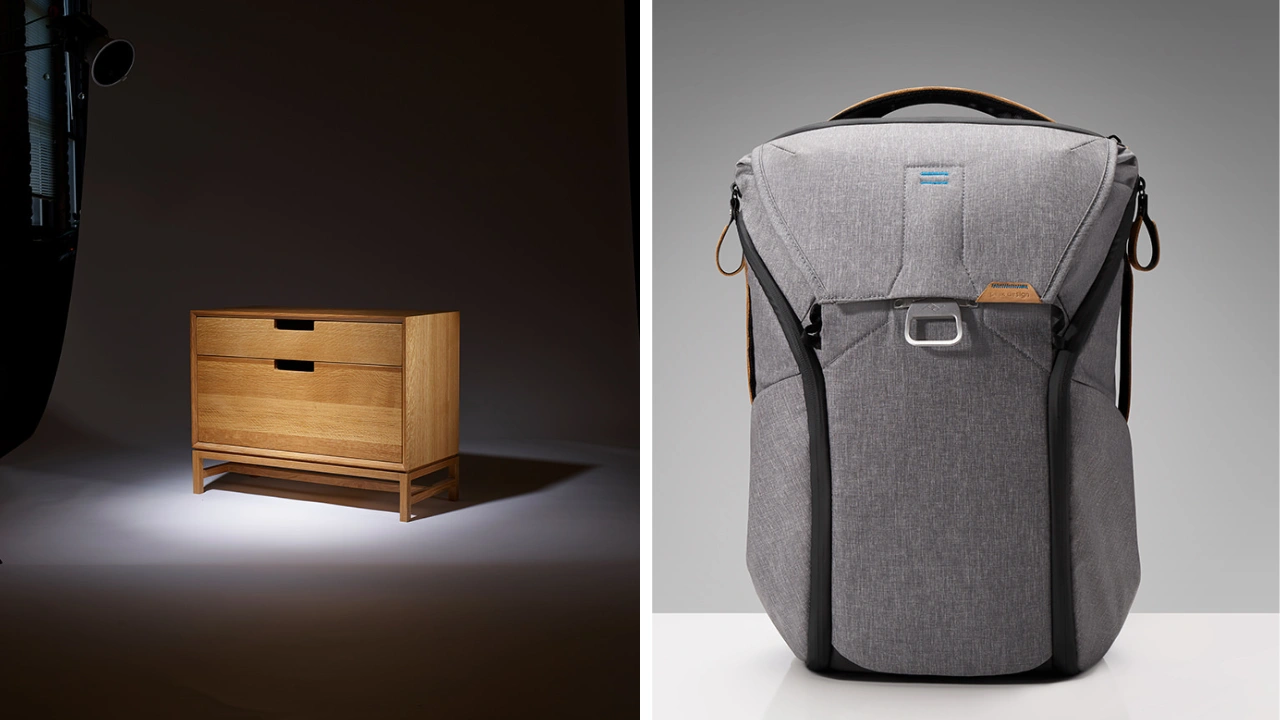
By working on different frequency layers, retouchers can address tonal inconsistencies on one layer while preserving fine details on another. This method is widely used in high-end retouching workflows where precision and realism are paramount.
Sculpting Light with Dodge and Burn
Dodge and burn techniques are used to enhance lighting by selectively brightening and darkening areas of an image. This process helps shape the perception of depth, volume, and form.
In product photography, dodge and burn can be used to emphasize contours, highlight edges, and create smooth transitions between light and shadow. This technique is particularly effective for three-dimensional products such as bottles, electronics, and packaging.
By carefully applying tonal adjustments, the product gains a more defined and polished appearance without relying on artificial lighting changes.
Compositing Multiple Images for Maximum Control
Compositing is the process of combining multiple images or exposures into a single final composition. This technique is commonly used in product photography to achieve perfect lighting, clarity, and detail across all parts of a product.
For example, multiple exposures may be captured with different lighting setups to ensure that every surface is properly illuminated. These exposures are then merged to create a balanced final image where highlights and shadows are both well represented.
Compositing also allows editors to replace backgrounds, integrate props, or combine multiple product angles into a single visual narrative.
Precision is critical during compositing, as seamless blending ensures that the final image appears natural and cohesive. Masking, alignment, and edge refinement all play a role in achieving a flawless composite.
Creating Clean and Professional White Backgrounds in Product Photo
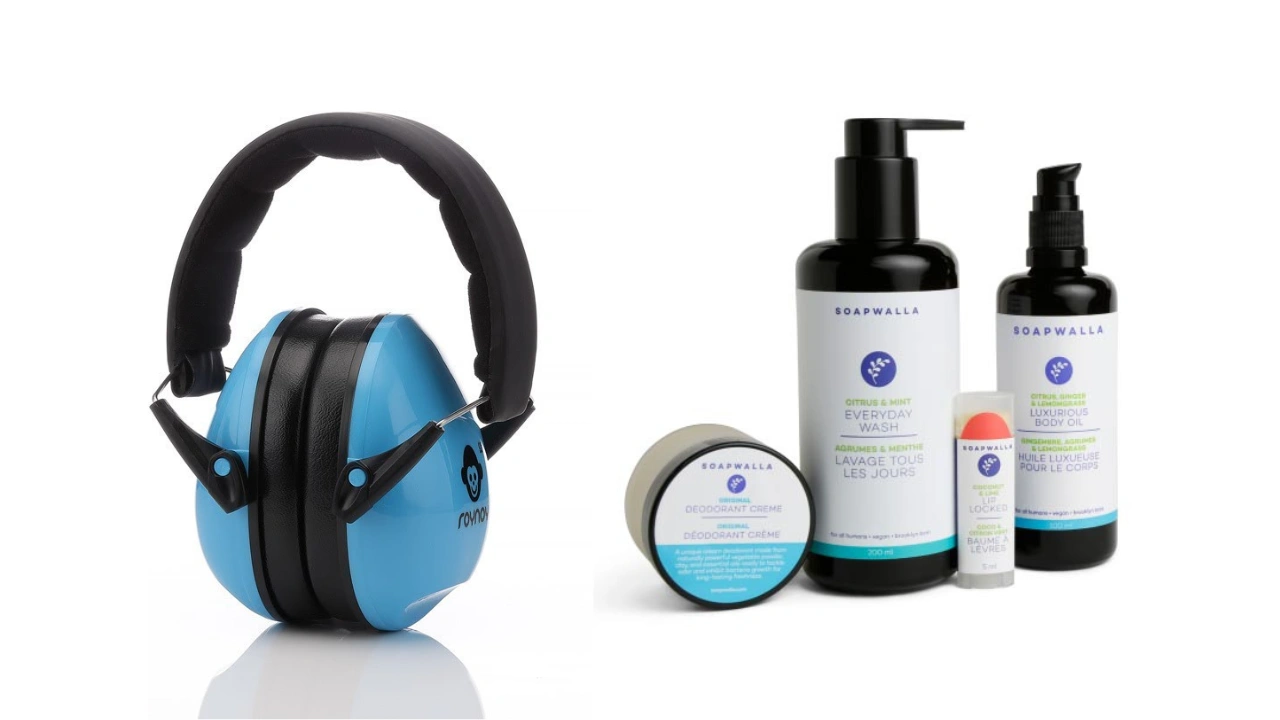
The background plays a significant role in product presentation. A clean and well-designed background ensures that the product remains the focal point while supporting the overall composition.
White backgrounds are commonly used in ecommerce environments because they provide neutrality and consistency. However, creative backgrounds can be used for branding, advertising, and social media content.
Extending backgrounds may be necessary when adjusting composition or changing aspect ratios. This involves rebuilding areas outside the original frame while maintaining realistic textures, gradients, and lighting continuity.
Background gradients, shadows, and reflections can also be added to ground the product and create depth within the scene.
Working with Shadows and Reflections
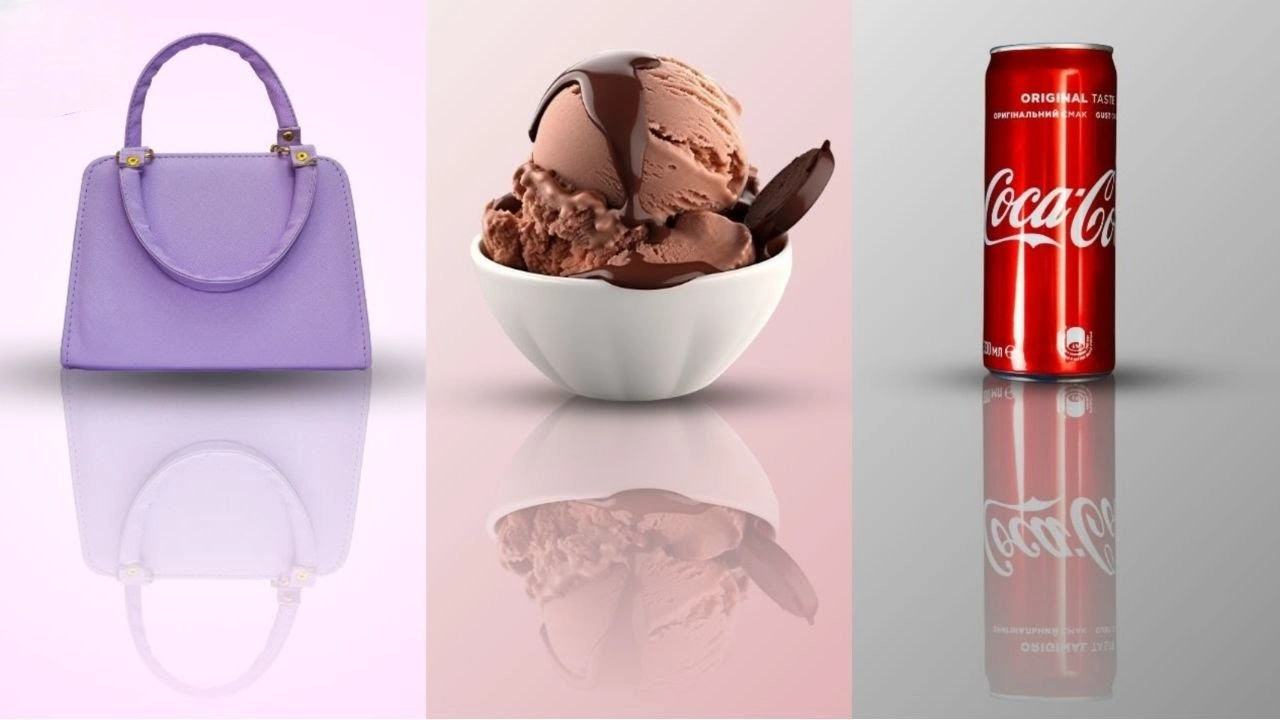
Shadows and reflections contribute to realism and visual depth. Properly constructed shadows help anchor the product within the scene, while reflections can enhance the perception of material quality.
Natural shadows should follow the direction and intensity of the original lighting. In composited scenes, shadows may need to be recreated or adjusted to match the new environment.
Reflections require careful handling, especially for glossy or reflective surfaces such as glass, metal, and polished plastics. Maintaining consistency in reflections ensures that the product integrates naturally into the composition.
Preparing Images for Different Platforms
Product images must be optimized for various platforms, including ecommerce websites, print media, and social media channels. Each platform has its own technical and visual requirements.
For web use, images should be optimized for fast loading while maintaining high quality. This includes appropriate resolution, compression, and file formats.
For print, images must meet higher resolution standards and color profiles to ensure accurate reproduction. Attention to detail becomes even more critical in print production.
Social media platforms often require adaptable compositions that fit multiple aspect ratios. Cropping, resizing, and repositioning elements may be necessary to maintain visual impact across different formats.
Collaboration Between Photographer and Retoucher

Product photography is often a collaborative process involving photographers, retouchers, clients, and creative directors. Clear communication ensures that the final output aligns with the intended vision.
Photographers typically focus on capturing high-quality source images, while retouchers refine and enhance those images in post-production. Understanding each other’s roles leads to a more efficient workflow and better results.
Client feedback plays an important role in guiding retouching decisions. Establishing expectations early in the process helps avoid unnecessary revisions and ensures satisfaction with the final deliverables.
Building a Consistent Visual Style
Consistency is a key factor in professional product photography retouching guide. A cohesive visual style helps establish brand identity and improves the overall presentation of product lines.
Consistency can be achieved through uniform lighting, color grading, background selection, and compositional structure. Retouching plays a major role in maintaining this consistency across multiple images.
Developing presets, templates, and reusable workflows can significantly improve efficiency while ensuring that each image adheres to the same quality standards.
Common Challenges in Product Retouching
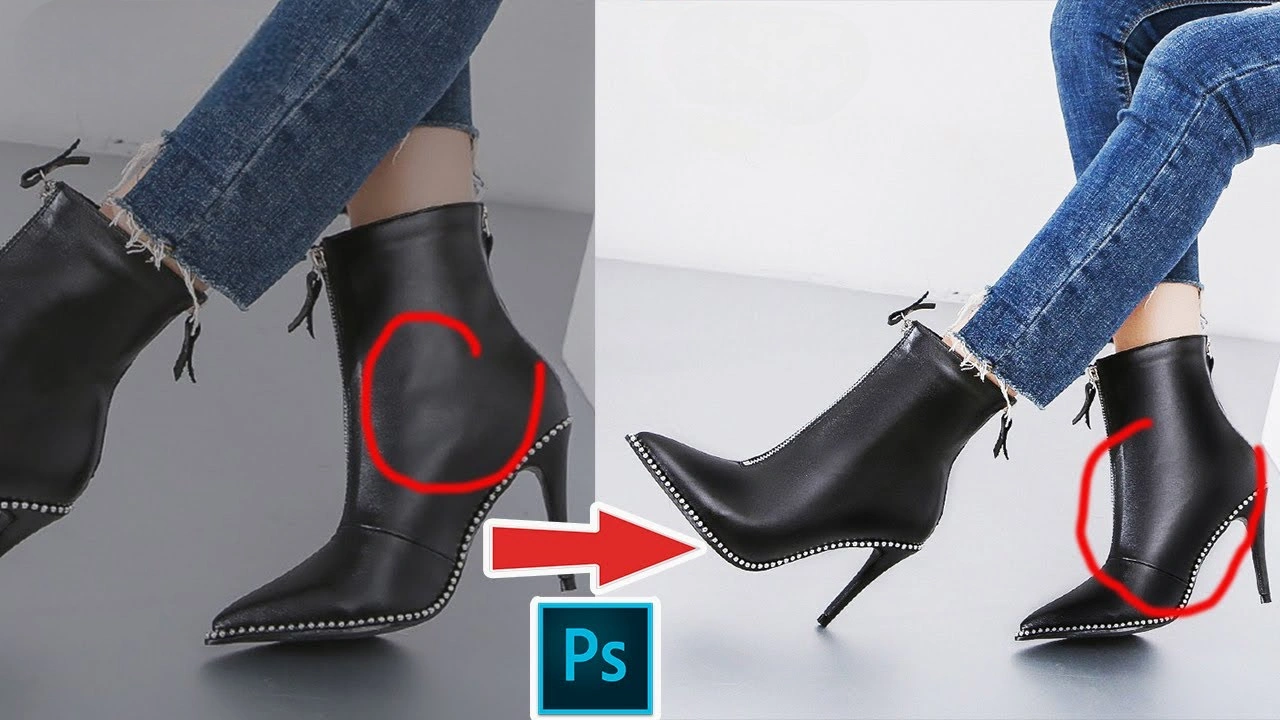
Product retouching presents several challenges that require both technical skill and creative problem-solving. Reflective surfaces can be difficult to manage due to unwanted highlights and distortions. Transparent materials such as glass or plastic require careful handling of edges and background interactions.
Another challenge involves maintaining realism while enhancing visual appeal. Over-editing can result in images that appear unnatural or misleading, which may negatively impact credibility.
Time management is also an important factor, especially when working on large batches of images under tight deadlines. Efficient workflows and automation tools can help streamline repetitive tasks.
Final Quality Check and Delivery
Before delivering the final images, a thorough quality check is essential. This includes reviewing sharpness, color accuracy on product images, alignment, edge quality, and overall composition.
Images should be evaluated at multiple zoom levels to ensure that both global and fine details meet professional standards. Any inconsistencies should be corrected before final export.
Final exports should be optimized for their intended use, whether for web, print, or digital marketing. Proper file formats, color profiles, and naming conventions should be applied to ensure smooth integration into client workflows.
How Cutout Partner Specializes in Product Photography for Ecommerce Success
Cutout Partner is a leading image editing Agency and post-production company dedicated to helping businesses elevate their visual content and achieve stronger results in ecommerce. In a digital marketplace where product presentation directly influences buying decisions, high-quality imagery is essential for building trust, improving engagement, and increasing conversions.
With a team of over 50 skilled Photoshop experts, Cutout Partner delivers a wide range of specialized services tailored to meet the demands of modern ecommerce brands. Their expertise includes clipping paths, background removal, product retouching, image manipulation, and invisible ghost mannequin services. Each service is executed with precision to ensure clean, consistent, and visually appealing results that align with brand standards.
One of the key strengths of Cutout Partner is its ability to produce consistent imagery at scale. Ecommerce businesses often require large volumes of product images, and maintaining uniform quality across all visuals is critical for a professional storefront. By following structured workflows and quality control processes, Cutout Partner ensures that every image meets strict visual and technical requirements.
Their services are widely used across multiple industries, including ecommerce, fashion, headshots, and newborn photography. This versatility allows them to adapt to different styles, requirements, and creative goals while maintaining a high level of consistency and detail in every project.
Trusted by over 3,000 clients worldwide, Cutout Partner combines superior quality with fast turnaround times and cost-efficient solutions. This makes them a reliable partner for businesses looking to scale their operations without compromising on image quality. Their commitment to excellence helps brands present their products in the best possible light and strengthen their visual identity across platforms.
Need your product photography taken to the next level for ecommerce and boosted sales? Contact Cutout Partner today and transform your visuals into powerful assets that drive growth.
Conclusion
Retouching and compositing product photography is a meticulous process that combines technical precision with creative insight. From cleaning imperfections and enhancing textures to compositing multiple exposures and crafting seamless backgrounds, each step contributes to the creation of visually compelling and commercially effective images.
A structured workflow, attention to detail, and mastery of advanced techniques such as frequency separation and dodge and burn allow professionals to elevate product images to the highest standard. Collaboration between photographers and retouchers further enhances the quality and consistency of the final output.
By applying these principles and techniques, product images can effectively communicate value, build trust, and capture attention across competitive visual environments. Whether for ecommerce, advertising, or branding, professional retouching and compositing remain essential tools in delivering product visuals that truly stand out.