In 2026, professional photography is more competitive, detail-driven, and quality-focused than ever before, which means that the tools you rely on—especially your cameras—must perform at their highest level consistently over time. A professional camera is not just a device; it is a long-term investment that directly influences your creative output, client satisfaction, and business reputation. Whether you are managing a busy product photography studio or running an eCommerce business that depends on flawless visuals, the way you store your camera equipment plays a crucial role in preserving its performance and longevity.
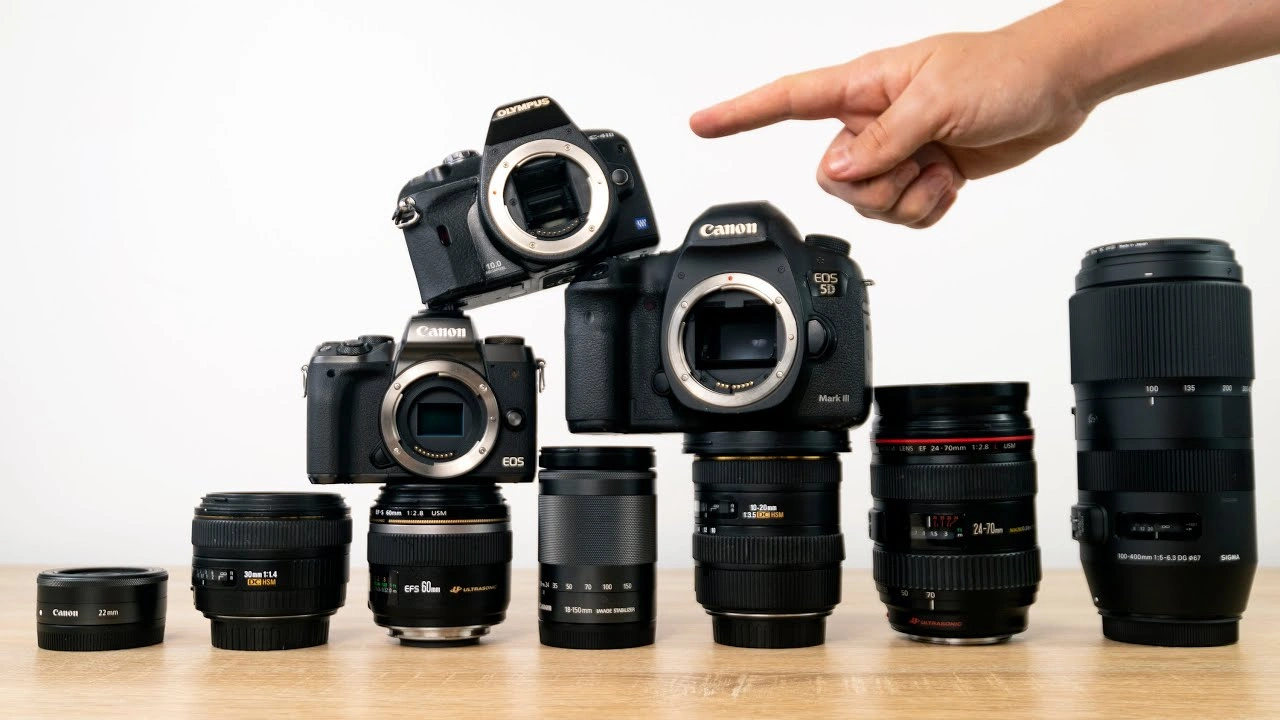
Many photographers spend thousands of dollars on high-end cameras and lenses, yet often overlook one of the most important aspects of equipment care: proper storage. Over time, exposure to environmental factors such as humidity, dust, and fluctuating temperatures can silently degrade your gear, affecting everything from sensor performance to lens clarity. These issues may not be immediately visible, but they gradually impact image quality, leading to more time spent in post-production and increased maintenance costs.
Professional workflows today also depend heavily on efficient editing and consistent output, which is where companies like Cutout Partner, a top leading post-production and image editing solution agency, come into play. However, even the best editing services can only enhance what is captured. If your camera equipment is not properly stored and maintained, it becomes increasingly difficult to achieve clean, high-quality images from the start.
This article explores the best ways to store cameras for long-term use in 2026, offering practical strategies, expert insights, and professional tips designed specifically for photographers, studio managers, and eCommerce business owners.
Proper Camera Storage: Protect Your Gear the Right Way
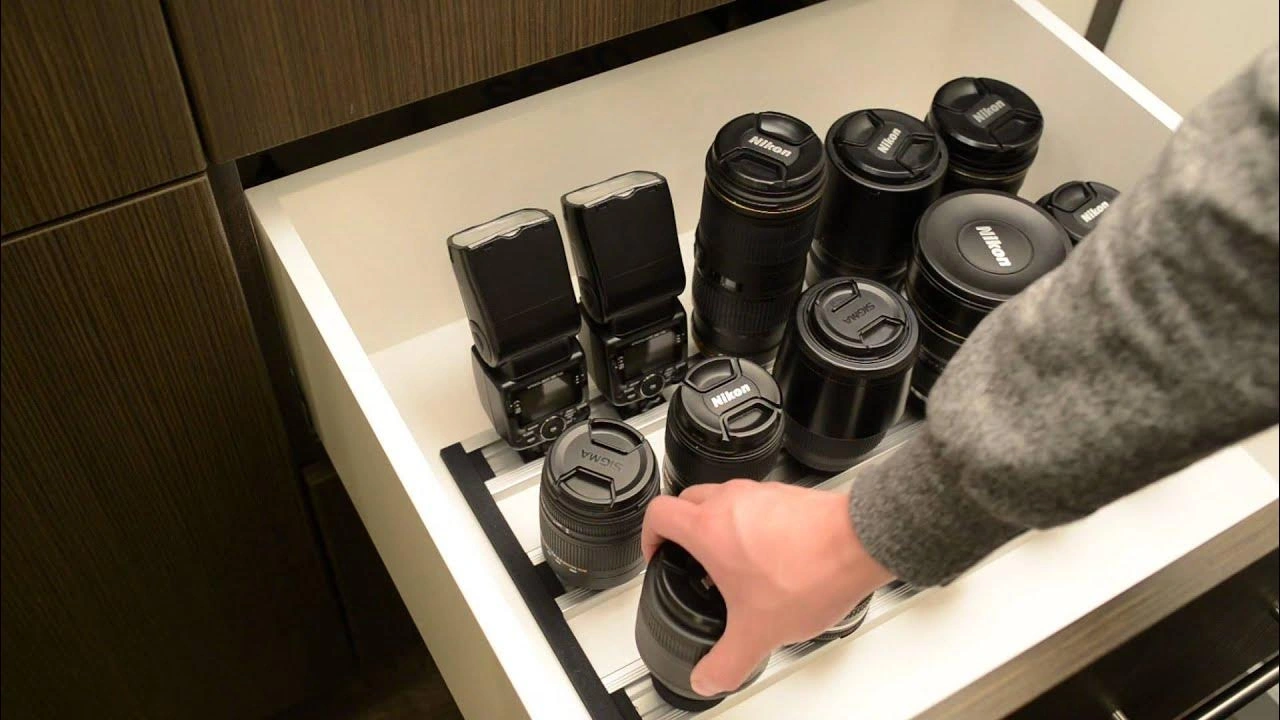
Storing camera gear correctly is essential to protect your cameras and lenses from moisture, dust, and temperature fluctuations. Poor storage conditions can lead to mold growth, lens fungus, and even electronic failure. To keep your equipment in top condition, always aim for a cool, dry, and stable environment, ideally with 40–50% relative humidity.
Key Aspects of Proper Camera Storage
Environment
Store your camera gear in a space with a moderate temperature (50°F–70°F) and low humidity. Avoid high-risk areas such as attics, garages, or cars, where temperature and moisture levels fluctuate drastically.
Storage Containers
Use protective storage solutions like:
- Dry boxes
- Electronic dry cabinets
- Sealed plastic containers
These help maintain a controlled environment and keep dust and moisture out.
Moisture Control
Humidity is the biggest enemy of camera gear. Use silica gel packets or other desiccants inside your storage containers to absorb excess moisture—especially important in humid or coastal regions.
Gear Preparation
Before storing your camera for an extended period:
- Remove batteries to prevent leakage and corrosion
- Take out memory cards
- Turn off all electronic components
Lens Protection with Professional Camera
Store lenses properly to avoid internal damage:
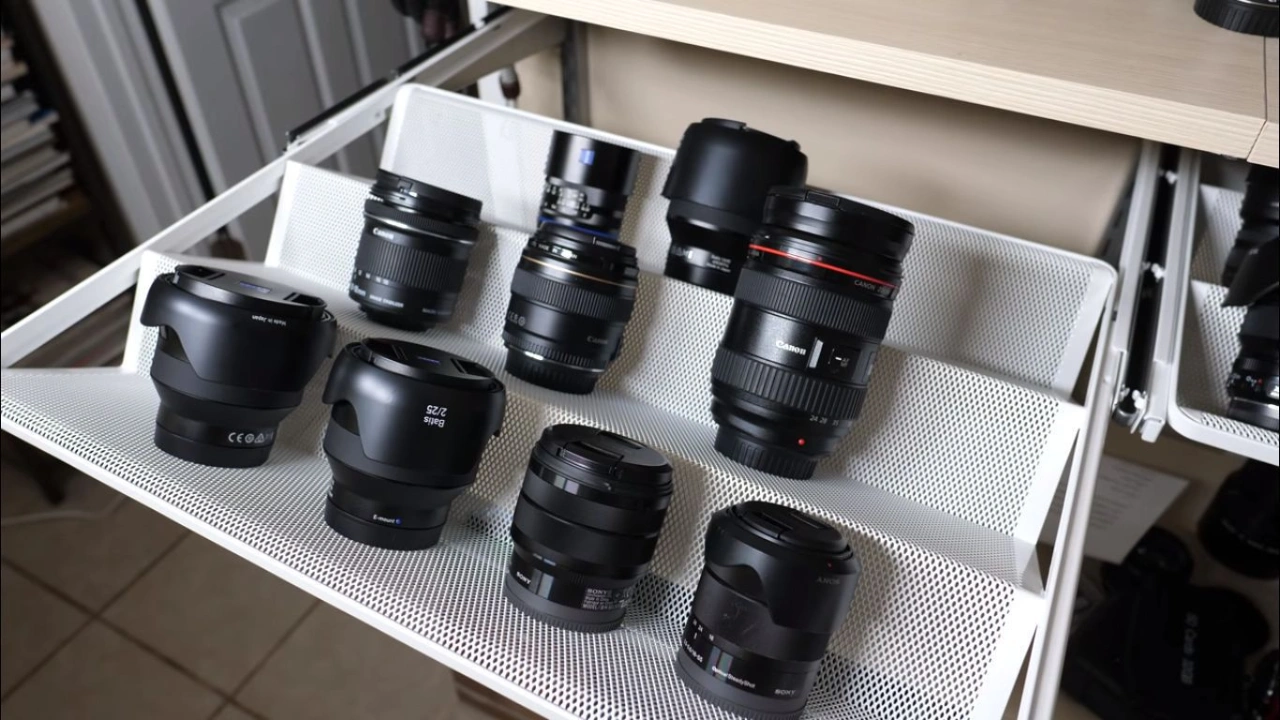
- Keep them upright (front element facing upward)
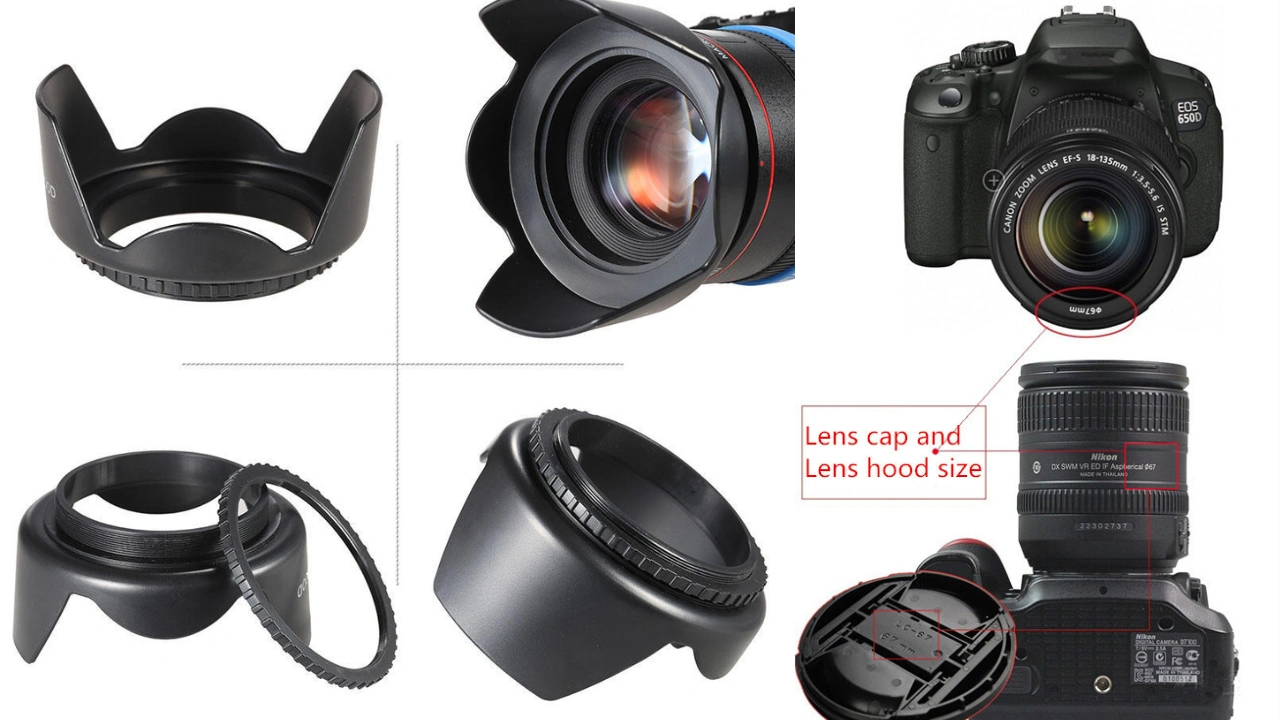
- Always attach front and rear lens caps
- Avoid stacking lenses directly on top of each other
Storage Options
Hard Cases (e.g., Pelican Cases)
Durable and weather-resistant, hard cases offer excellent protection against impact, dust, and moisture, making them ideal for travel and long-term storage.
Dry Cabinets / Dry Boxes
These are active storage systems that control humidity levels automatically—perfect for photographers in humid climates.
Camera Bags & Backpacks
Great for short-term storage and transport, but not recommended for long-term storage due to limited moisture control.
DIY Storage Solutions
Simple labeled plastic bins can work if paired with airtight sealing and silica gel packs.
Long-Term Storage Tips
- Clean all gear thoroughly before storing to remove dust, oil, and dirt
- Avoid storing leather cases in plastic bags—they can trap moisture and deteriorate
- Periodically check your gear, even when not in use
- Store equipment in a well-ventilated, dry area if not using sealed containers
Proper camera storage isn’t just about organization—it’s about protecting your investment. With the right environment and tools, you can extend the life of your gear and ensure it’s always ready when you need it.
Why Long-Term Camera Storage Matters
Long-term camera storage is not just about keeping your gear safe when it is not in use; it is about preserving performance, protecting your investment, and ensuring consistent results across every shoot. Environmental factors such as dust, humidity, and temperature fluctuations can have a significant impact on camera components over time, often causing damage that is both gradual and costly to repair.
Humidity is one of the most serious threats, as excessive moisture can lead to fungus growth inside lenses, corrosion of internal circuits, and damage to sensitive electronic components. On the other hand, extremely dry conditions can also cause issues such as cracking in rubber seals and deterioration of lubricants. Dust accumulation, although often underestimated, can settle on sensors and inside lenses, resulting in visible spots on images and increased post-processing work.
For studios and eCommerce businesses, the cost of neglecting proper storage goes beyond equipment damage. It can lead to inconsistent image quality, delays in production, and increased reliance on editing to fix avoidable issues. In contrast, investing in proper storage solutions ensures that your cameras remain reliable, your workflow stays efficient, and your final output meets professional standards.
Types of Camera Storage Solutions
Choosing the right storage solution is essential for protecting your equipment over the long term, and in 2026, photographers have access to a wide range of advanced options tailored to different needs and environments.
Dry cabinets have become one of the most popular solutions for professional photographers, as they provide controlled humidity levels that prevent moisture-related damage. These cabinets are especially useful in regions with high humidity or for studios that require consistent environmental control.
Camera bags and hard cases remain essential for mobility and short-term storage, offering protection against physical damage during transport. High-quality cases with padded interiors and weather-resistant materials can significantly reduce the risk of impact and environmental exposure.
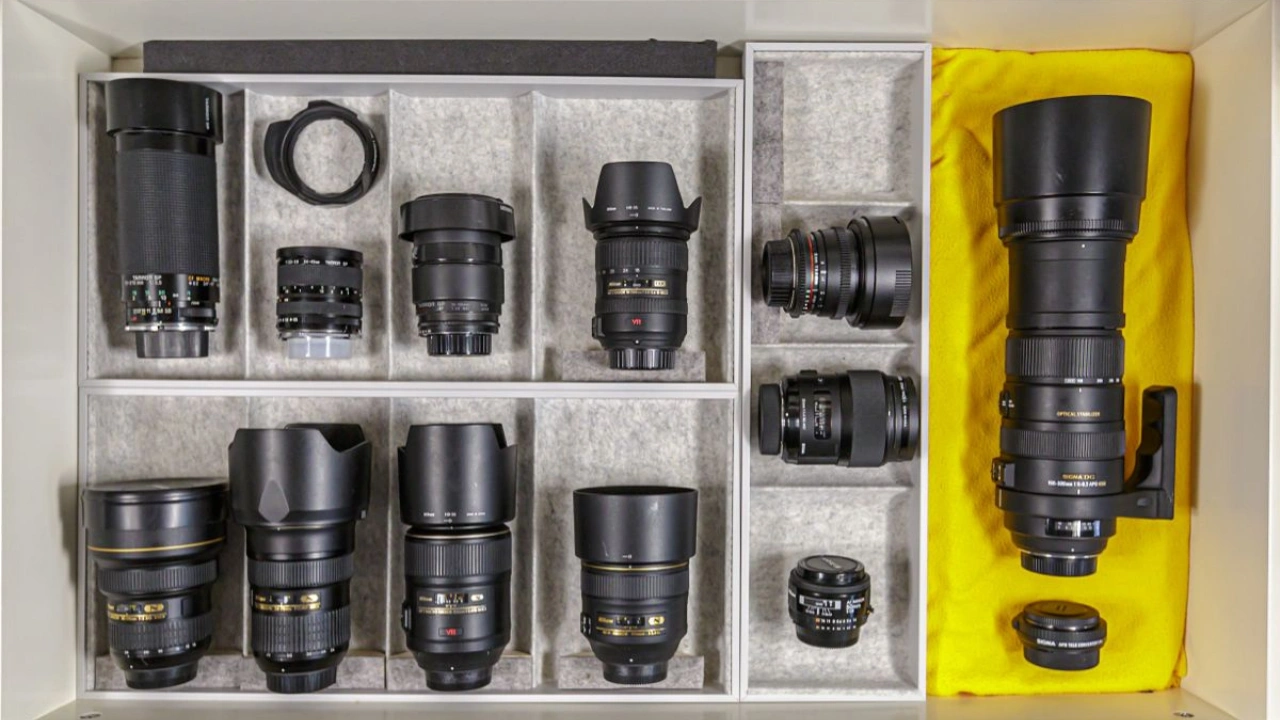
Climate-controlled storage systems represent a more advanced option, often used by large studios and production houses. These systems regulate both temperature and humidity, creating an ideal environment for long-term equipment storage.
In recent years, smart storage solutions have emerged as a modern trend, incorporating features such as digital humidity monitoring, automated climate control, and even mobile app integration. These innovations allow photographers to monitor and adjust storage conditions remotely, ensuring optimal protection at all times.
Best Camera Storage Methods for Professionals
Professional photographers require storage methods that align with their workflow, ensuring both accessibility and protection. Daily storage differs significantly from long-term storage, as frequently used equipment must be easily accessible while still protected from environmental factors.
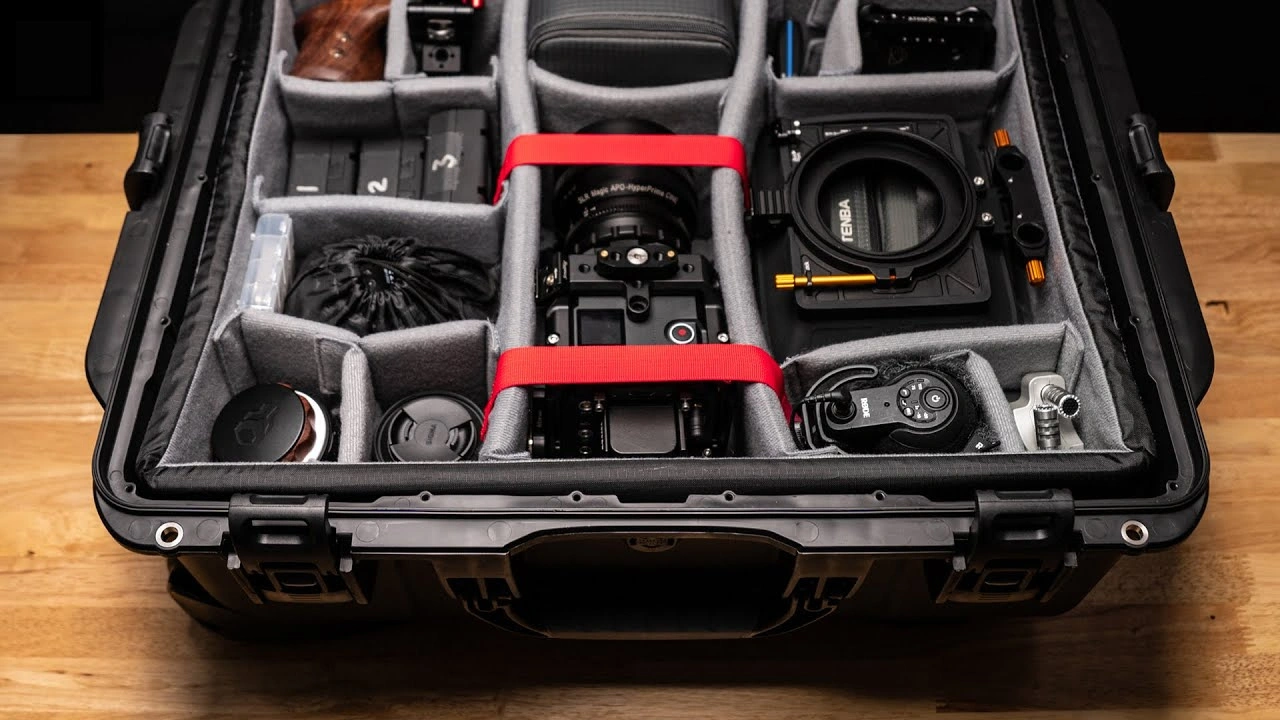
In a studio setting, cameras should be stored in a dedicated area with controlled conditions, ideally using dry cabinets or sealed storage units. Organizing equipment by usage frequency can help streamline workflows and reduce handling time.
For travel, durable camera bags with proper compartmentalization are essential, allowing photographers to carry multiple pieces of equipment safely. When storing cameras in a warehouse or long-term facility, it is important to use climate-controlled environments and protective cases to prevent damage over extended periods.
Backup cameras, which may not be used regularly, require special attention. These devices should be stored in optimal conditions and checked periodically to ensure they remain functional when needed.
Environmental Factors That Affect Camera Lifespan
Understanding environmental factors is key to effective camera storage, as even minor fluctuations can have long-term consequences.
Humidity control is perhaps the most critical factor, as excessive moisture can cause irreversible damage to lenses and internal components. Maintaining a stable humidity level between 40% and 50% is generally recommended for most camera equipment.
Temperature stability is equally important, as extreme heat can damage electronic components while cold temperatures can affect battery performance and material integrity. Keeping cameras in a consistent, moderate temperature environment helps prevent these issues.
Light exposure, particularly direct sunlight, can degrade materials over time and should be avoided. Dust and air quality also play a significant role, as airborne particles can enter camera bodies and lenses, affecting image quality and increasing maintenance needs.
Essential Accessories for Camera Storage with MacBook
Proper storage is not complete without the right accessories, which provide additional layers of protection and help maintain optimal conditions.
Silica gel packs are widely used to absorb moisture and prevent humidity-related damage, making them a simple yet effective solution for camera storage. Dehumidifiers, especially in larger storage areas, help maintain consistent humidity levels.
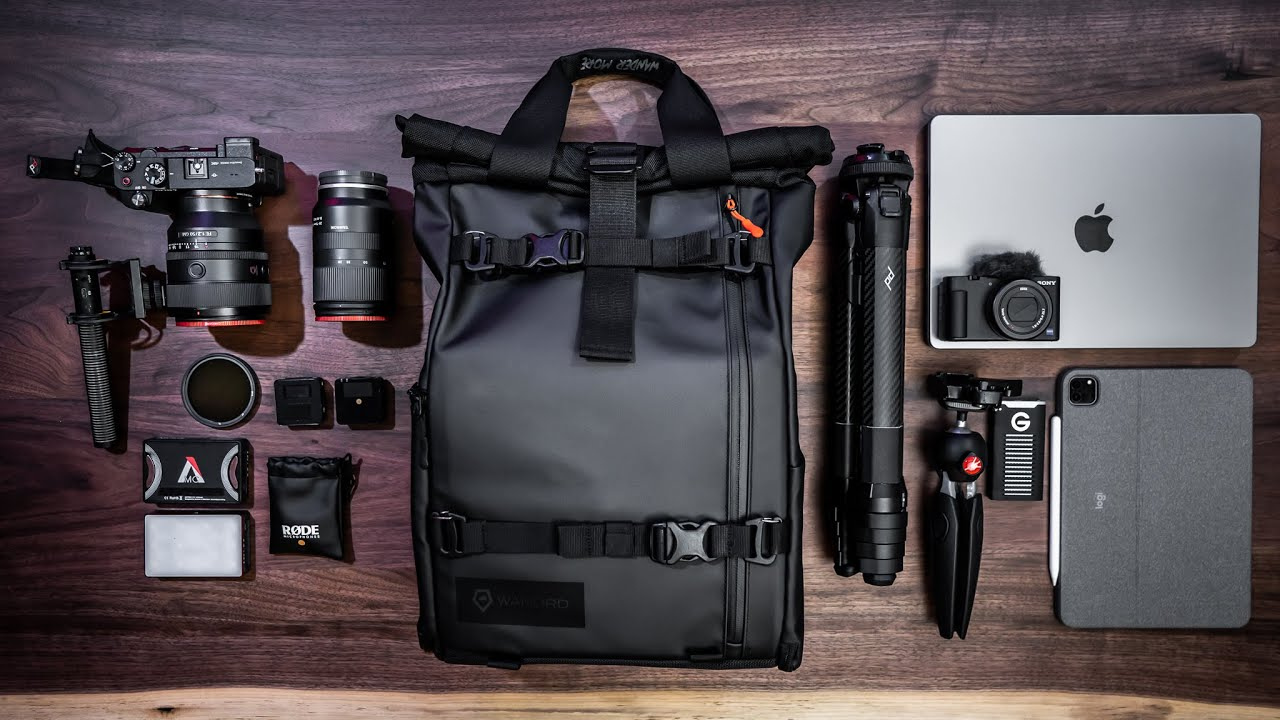
Protective cases are essential for preventing physical damage, while lens caps and body covers keep dust and debris away from sensitive components. Investing in high-quality accessories can significantly extend the lifespan of your equipment.
Storage Tips for Different Camera Types
Different types of cameras require slightly different storage approaches, depending on their design and usage.
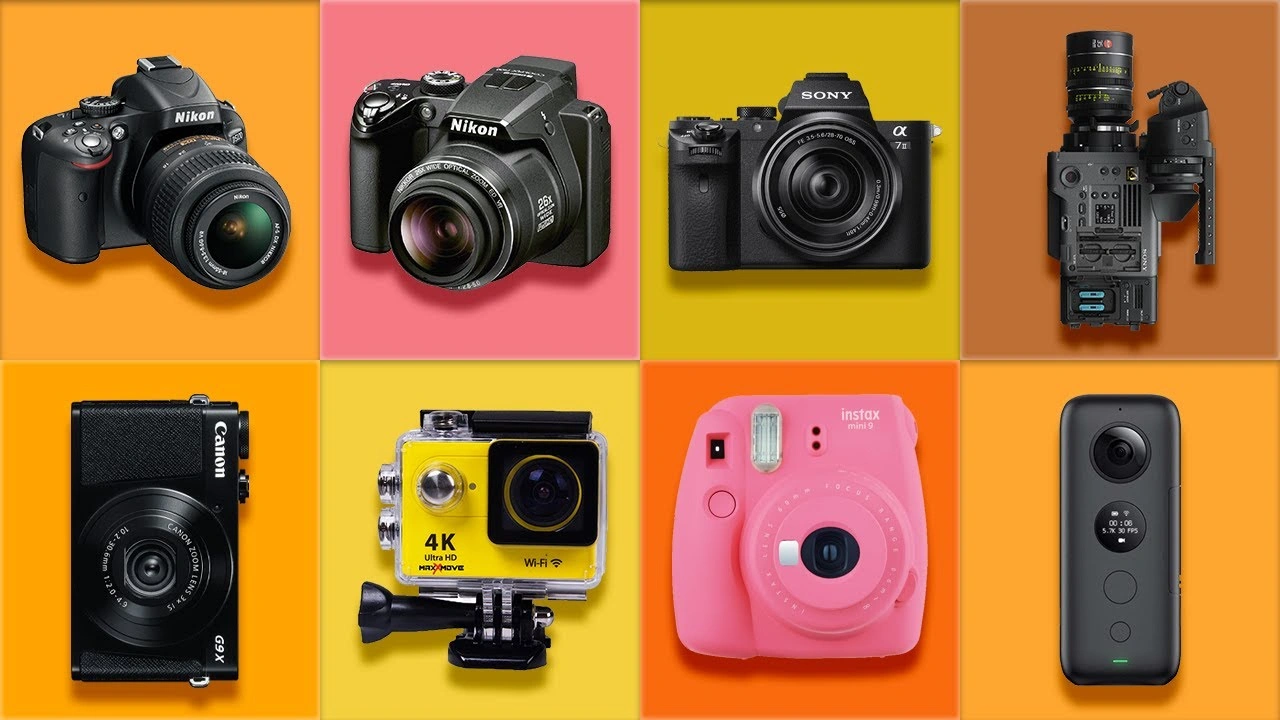
DSLR cameras, with their mechanical components, benefit from regular use and proper lubrication, so they should not be left unused for extended periods without maintenance. Mirrorless cameras, which rely more on electronic systems, require careful attention to battery storage and firmware updates.
Medium format cameras, often used in high-end product photography, are particularly sensitive to environmental conditions and should always be stored in controlled environments. Cinema cameras, commonly used in commercial and eCommerce production, require robust storage solutions due to their size and complexity.
Storage Workflow for Studios & eCommerce Businesses
Efficient storage workflows are essential for maintaining productivity in professional environments. Organizing equipment systematically ensures that cameras are easy to access and reduces the risk of damage during handling.
Labeling and inventory management systems help track equipment usage and location, while multi-camera setups require dedicated storage spaces to avoid confusion. Establishing clear staff handling protocols ensures that all team members follow consistent practices, reducing the likelihood of accidents or improper storage.
Maintenance Routine for Long-Term Storage
Regular maintenance is a critical part of long-term camera storage, as it helps identify and address potential issues before they become serious problems.
Cleaning schedules should include both external and internal components, with special attention to sensors and lenses. Batteries should be removed when cameras are stored for extended periods, as they can leak or degrade over time.
Lens maintenance involves checking for dust, fungus, and mechanical issues, while firmware updates ensure that cameras continue to perform optimally. Consistent maintenance routines contribute significantly to the longevity and reliability of your equipment.
Why Essential Camera Storage Matters for Photographers
For professional photographers, camera storage is not just about keeping gear organized—it is a critical part of protecting investment, maintaining image quality, and ensuring long-term reliability. Modern cameras and lenses are highly sophisticated tools, built with delicate optics and sensitive electronic components, which makes them vulnerable to environmental damage if not stored properly. Understanding why proper storage is essential can help photographers avoid costly repairs, reduce workflow disruptions, and consistently deliver high-quality results.
Protecting Expensive Equipment
Professional camera gear represents a significant financial investment, often including multiple camera bodies, lenses, lighting accessories, and support equipment. Without proper storage, these assets are exposed to risks such as moisture, dust, and accidental damage. Over time, even minor exposure to unfavorable conditions can degrade performance, leading to expensive repairs or replacements that could have been avoided with simple preventive measures.
Preventing Moisture and Fungus Damage
One of the biggest threats to camera gear is humidity, which can lead to fungus growth inside lenses and corrosion in electronic circuits. Once fungus develops, it can permanently damage lens coatings and reduce image clarity. Proper storage solutions such as dry cabinets, sealed containers, and silica gel packs help maintain controlled humidity levels, ensuring that moisture does not compromise your equipment.
Maintaining Image Quality with Perfect Product Photography
Clean and well-preserved equipment plays a direct role in image quality. Dust on sensors, haze inside lenses, and worn-out components can all affect sharpness, contrast, and color accuracy. When cameras are stored properly, photographers can rely on consistent performance and spend less time correcting issues during post-production.
Extending Equipment Lifespan
Cameras and lenses are designed to last for years, but their lifespan depends heavily on how they are stored and maintained. Exposure to extreme temperatures, fluctuating humidity, and poor handling can accelerate wear and tear. A controlled storage environment helps preserve internal mechanisms, ensuring that your gear remains functional and reliable for a longer period.
Supporting Efficient Workflow
For studio managers and eCommerce businesses, efficiency is key. Proper storage systems make it easier to organize, access, and manage equipment, reducing downtime and improving productivity. When gear is stored in a structured and protected manner, photographers can focus more on creativity and less on troubleshooting equipment issues.
Reducing Maintenance and Repair Costs
Neglecting camera storage often leads to frequent maintenance needs and unexpected repairs. Issues such as sensor dust, battery corrosion, and lens fungus can be costly and time-consuming to fix. By implementing proper storage practices, photographers can significantly reduce these risks and save both time and money in the long run.
Enhancing Post-Production Efficiency with Product Photography
High-quality images begin with well-maintained equipment. When cameras and lenses are stored properly, they produce cleaner and more consistent results, which reduces the need for extensive editing. This is especially important when working with professional post-production services like Cutout Partner, where clean source images allow for faster turnaround and superior final outputs.

Adapting to Modern Photography Demands
In 2026, photography workflows are faster and more demanding than ever, especially in industries like eCommerce where large volumes of images are produced daily. Reliable equipment is essential for meeting these demands, and proper storage ensures that cameras are always ready to perform at their best.
People Who Read This Resource Also Read ..
- Best 3 Point Slinger For Camera On Photographers
- When Were Cameras Invented? A Complete Timeline of Photography
- What is a Telephoto Lens? (Why and When You’ll Need One in 2026)
Common Mistakes to Avoid
Many photographers unknowingly make mistakes that compromise their equipment, often due to a lack of awareness or improper habits.
Storing cameras in humid environments is one of the most common issues, leading to moisture-related damage. Leaving batteries inside cameras for long periods can result in leakage and internal damage.
Improper packing, especially during travel, increases the risk of physical damage, while neglecting regular maintenance allows minor issues to escalate into costly repairs. Avoiding these mistakes is essential for preserving your equipment.
How Proper Storage Improves Post-Production Results with Organization Hacks
Proper camera storage has a direct impact on post-production efficiency and image quality. Clean sensors and well-maintained lenses produce sharper images with fewer imperfections, reducing the need for extensive editing.
For eCommerce product photography, where consistency and clarity are critical, well-maintained equipment ensures uniform results across large batches of images. This not only saves time but also enhances the overall quality of the final output.
Cutout Partner, as a leading post-production and image editing solution provider, works best with high-quality source images. When cameras are properly stored and maintained, the editing process becomes more efficient, allowing for faster turnaround times and superior results.
Future Trends in Camera Storage (2026 and Beyond)
The future of camera storage is being shaped by technological advancements that offer greater control and convenience. Smart storage cabinets equipped with sensors and automated systems are becoming increasingly popular, providing real-time monitoring of environmental conditions.
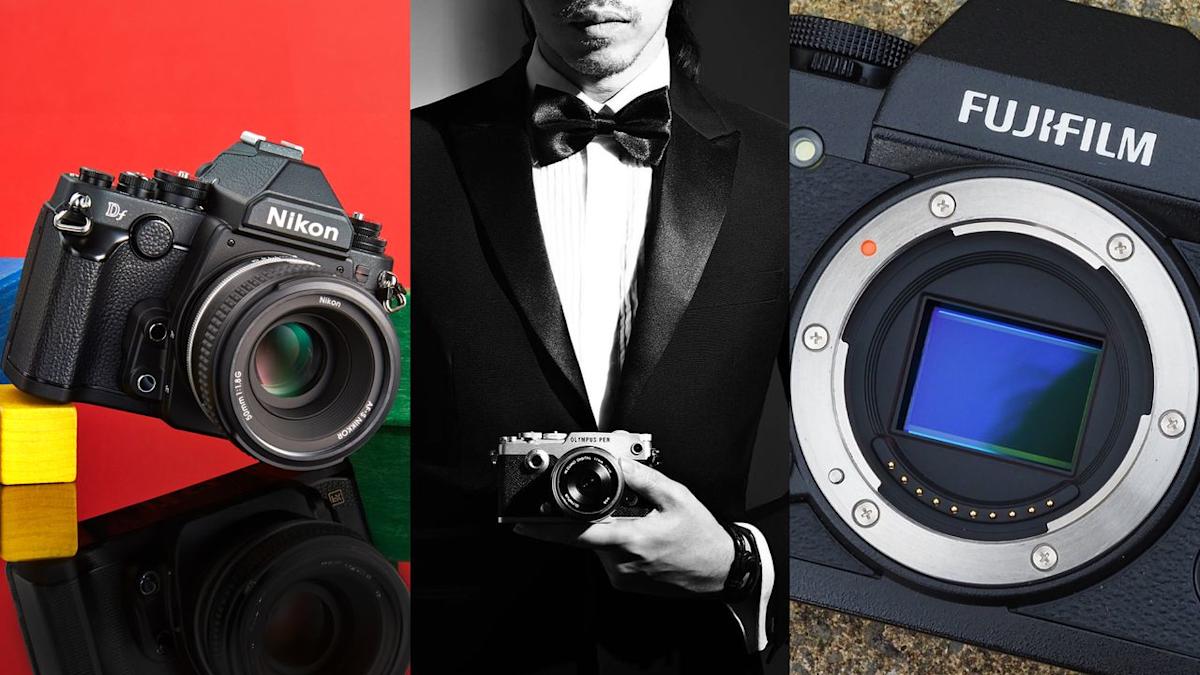
AI-based environmental monitoring systems can analyze data and adjust settings automatically, ensuring optimal storage conditions at all times. Cloud-connected gear management systems allow photographers to track and manage their equipment remotely, improving organization and efficiency.
These innovations represent a significant step forward in equipment care, making it easier for professionals to protect their investments.
Final Thoughts
In the fast-paced world of professional photography, where quality and consistency are paramount, proper camera storage is not just a technical consideration but a fundamental aspect of long-term success. Treating your camera equipment as a valuable asset and investing in the right storage solutions ensures that it continues to deliver exceptional performance over time.
By adopting disciplined storage habits, maintaining optimal environmental conditions, and following regular maintenance routines, photographers, studio managers, and eCommerce business owners can significantly extend the lifespan of their equipment and improve their overall workflow.
In combination with expert post-production support from providers like Cutout Partner, these practices help create a seamless pipeline from capture to final output, ensuring that every image meets the highest professional standards.
Frequently Asked Questions (FAQ)
What is the best way to store a camera for long-term use?
The best way to store a camera for long-term use is to keep it in a controlled environment where humidity and temperature remain stable. Professional photographers often use dry cabinets or sealed storage units with silica gel packs to prevent moisture damage, while ensuring the camera is clean, covered, and stored with lens caps attached.
What humidity level is ideal for camera storage?
The ideal humidity level for storing cameras is typically between 40% and 50%. This range helps prevent fungus growth inside lenses and avoids excessive dryness that can damage internal components and rubber seals.
Is it safe to store a camera in a regular bag for a long time?
A regular camera bag is suitable for short-term storage or travel, but it is not ideal for long-term storage unless it includes moisture control features. For extended periods, it is better to use a dry cabinet or climate-controlled storage solution.
Should batteries be removed when storing a camera?
Yes, batteries should always be removed if the camera will not be used for an extended period. Leaving batteries inside can lead to leakage, corrosion, and internal damage to the camera.
How often should stored cameras be checked or maintained?
Even when stored properly, cameras should be checked every few weeks or at least once a month. This includes inspecting for dust, testing functionality, and ensuring that humidity control systems are working effectively.
Can improper storage affect image quality?
Absolutely. Poor storage conditions can lead to dust on sensors, fungus in lenses, and degraded internal components, all of which directly impact image sharpness and clarity. This often results in more time spent on post-production.
What are the most common mistakes in camera storage?
Some of the most common mistakes include storing cameras in humid environments, leaving batteries inside, exposing gear to direct sunlight, and neglecting regular cleaning and maintenance routines.
Are dry cabinets necessary for professional photographers?
While not mandatory, dry cabinets are highly recommended for professionals, especially those working in humid climates or managing expensive equipment. They provide consistent humidity control, which significantly extends the lifespan of cameras and lenses.
How should lenses be stored separately?
Lenses should be stored with both front and rear caps attached and kept in a dust-free, low-humidity environment. Using padded compartments or dedicated lens cases adds an extra layer of protection.
What is the best storage solution for studio environments?
Studios should use organized storage systems such as dry cabinets or climate-controlled rooms, combined with proper labeling and inventory management. This ensures easy access, reduces handling errors, and maintains consistent equipment condition.